To understand the Catalyst is to understand the physics of social and intellectual energy. You are not merely a participant in the world; you are an accelerant. While others may view a room of strangers as a source of anxiety or a blank slate, you see a dormant circuit board waiting to be wired. Your psychological profile is defined by a potent triad of High Extraversion, High Openness, and High Adaptability. This combination creates a personality that operates as a human particle collider—you smash ideas and people together to see what new elements are created in the explosion. You don't just facilitate change; you metabolize the chaos of the new into usable momentum.
The lived experience of a Catalyst is one of constant, vibrating potential. You likely feel a physical itch when an environment becomes too static or a conversation becomes too predictable. This isn't simple boredom; it is a cognitive dissonance caused by your High Openness. Your mind is a pattern-matching machine that scans for novelty, and when combined with High Extraversion, that internal curiosity demands external expression. You are the person who interrupts a meeting not to be rude, but because you have intuitively leaped five steps ahead and need to drag the room with you to the destination. You live in the future tense, constantly asking 'What if?' and 'Who else?'
Developmentally, Catalysts often emerge from childhoods where they learned to navigate complex social webs or varying environments. You may have been the child who moved schools often and learned to make friends in a day, or the one who acted as the diplomat between warring factions of the family. You learned early on that your safety and success came not from hunkering down, but from reaching out and blending in. This ingrained the belief that connection is the antidote to instability. Consequently, you have developed a radar for social hierarchy and emotional undercurrents that borders on the telepathic.
However, this high-octane existence comes with a paradoxical shadow. Because you are so responsive to the external world, you can sometimes lose track of your internal compass. The 'Chameleon Effect'—a byproduct of High Adaptability—can be disorienting. You might find yourself shifting your tone, opinions, or even your values slightly to match the person you are engaging with. This isn't malice; it's empathy in overdrive. The challenge for the mature Catalyst is to remain open to others without becoming porous, to influence the environment without being entirely consumed by it.
Flow states for you are almost exclusively social or novel. You enter the zone during brainstorming sessions where the energy is crackling, during the first week of a chaotic new project, or when navigating a crisis that requires real-time improvisation. In these moments, time dilates. You feel a sense of symphonic control, conducting the emotions and ideas of those around you. Conversely, your 'anti-flow'—the state of maximum friction—is solitary maintenance work. Filling out spreadsheets, repetitive administration, or working in total silence cuts off your fuel supply. You don't just dislike it; you cognitively wither.
A typical day in the life of a Catalyst often begins not with a slow awakening, but with a sudden boot-up sequence of the mind. Before your feet hit the floor, your brain is likely already cycling through three different potential futures for the day. The morning routine is rarely a meditative silence; it is a high-bandwidth intake of information—podcasts at 2x speed, scanning headlines, checking messages to see who has pinged the radar overnight. You don't just drink coffee for the caffeine; you drink it to synchronize your body with the racing speed of your thoughts. The commute or the walk to the desk is spent mentally rehearsing conversations or restructuring projects. You arrive at your work—whether that's an office, a studio, or a Zoom room—already vibrating with an intensity that can be overwhelming to slower-starting colleagues. Your internal dialogue is a rapid-fire debate: 'Should I email X? No, I'll call them. Wait, Y just posted something interesting, does that change the strategy?' You are constantly triangulating your position in the social and intellectual web.
As the day progresses, your energy moves in distinct tidal waves. You likely experience a mid-morning peak where your cognitive synthesis is highest—this is when you want the meetings, the brainstorms, the chaos. You feed on the interaction. However, the post-lunch slump for a Catalyst is not just physical; it is often an 'isolation crash.' If you have been staring at a screen alone for two hours, your battery drains rapidly. You might find yourself inventing reasons to walk to the breakroom, or sending a meme to a group chat, just to get a 'hit' of social reciprocity. This behavior is often misdiagnosed as distraction, but for you, it is refueling. You are checking to make sure the world is still there and that you are still connected to it. The afternoon often involves a scramble to execute on the massive vision you sold in the morning, leading to a frantic but often brilliant sprint to the finish line. You operate best under the guillotine of a deadline, which forces your expansive mind to collapse into laser focus.
The transition to evening can be the most psychologically complex part of the day. Because your nervous system is tuned to high-frequency input, 'powering down' is difficult. You don't have an off switch; you have a dimmer switch that often gets stuck. You might find yourself physically exhausted but mentally wired, replaying the micro-interactions of the day—'Did I interrupt too much?', 'Did they buy the pitch?', 'Why did that joke land flat?' This ruminative loop is the shadow side of your high social intelligence. To truly wind down, you often need a 'bridge' activity that is immersive but low-stakes, like cooking a complex meal without a recipe or watching a suspenseful show that occupies your pattern-matching brain without demanding output. Sleep often comes only when exhaustion finally overtakes the internal monologue of possibilities.
Your decision-making process is a unique blend of intuition and crowd-sourcing. When facing a difficult choice, you rarely retreat to a mountaintop to meditate in silence. Instead, you 'talk to think.' You need to externalize the data. You will call three different friends, not necessarily to take their advice, but to hear your own voice bouncing off them. You use your social circle as a sounding board, measuring your own conviction by how you explain the dilemma to others. If you find yourself passionately defending one option while explaining it to a friend, you realize that's the decision you've already made subconsciously. Your internal compass is calibrated by external triangulation. The danger here is 'analysis paralysis by consensus'—asking so many people that you lose your own voice in the choir. The mature Catalyst learns to use others to clarify their own intuition, not to replace it.
Physically, the Catalyst often occupies space dynamically. You are rarely still. Even when seated, a foot is tapping, or a pen is twirling. This kinetic energy is a release valve for your cognitive RPM. You think better when you are moving, which is why you often prefer walking meetings or pacing while on the phone. Your physical environment directly impacts your mental state; a cluttered, dark room can induce a depressive fog, while a bright, open space with a view can instantly upgrade your processing power. You are solar-powered and space-sensitive, needing an environment that matches your internal vibration.
Typical dimensional profile for The Catalyst
of the population shares this personality type
In a room of 100 people, approximately 6 would share your The Catalyst personality type.
Inspirational Leadership
You have a rare ability to articulate a vision in ways that make others want to be part of it. People don't just follow your ideas—they adopt them as their own and run with them.
Social Intelligence
You read rooms intuitively, sensing group dynamics and individual needs simultaneously. This allows you to connect the right people, say the right things, and create momentum where none existed.
Adaptive Communication
You naturally adjust your communication style to your audience without losing authenticity. Whether speaking to executives or entry-level employees, you make people feel understood.
Change Navigation
While others resist or fear change, you thrive in it. You help organizations and individuals see transitions as opportunities rather than threats.
Sustained Focus
Your enthusiasm for new initiatives can wane as the exciting startup phase gives way to maintenance work. Practice staying engaged through the less glamorous middle phases of projects.
Energy Management
Your social nature can lead to burnout if you don't build in recovery time. Schedule solitude as deliberately as you schedule social activities.
Depth Over Breadth
Your wide network is valuable, but deep relationships require sustained attention. Identify your core relationships and invest in them consistently.
The Catalyst in Relationships
You bring passion, adventure, and deep emotional connection to romantic partnerships. You're the partner who plans surprise getaways, has heart-to-heart conversations at 2am, and genuinely celebrates your partner's successes. However, you may struggle with the quieter, more routine aspects of long-term partnership.
You're the friend everyone wants at the party and the one they call when they need encouragement. Your social calendar is perpetually full, and you have an uncanny ability to maintain connections across different friend groups. You may need to be intentional about deepening friendships beyond the surface level.
In work settings, you're the one who breaks down silos, facilitates collaboration, and gets buy-in for new initiatives. You excel in roles that require influence without authority and thrive in environments that value innovation and people skills equally.
See Your Compatibility with Other Types
Discover which types are most compatible with The Catalyst in romance, friendship, and work.
Catalyst Learning Style
How this type learns best
Catalyst Career Guide
Best career paths and workplace advice
Catalyst Relationships
Love, dating, and connection
Catalyst Communication
How to communicate effectively
Catalyst Stress & Coping
Managing stress and building resilience
Catalyst Leadership
Leadership style and management
Catalyst Personal Growth
Development and self-improvement
Catalyst At Work
Workplace dynamics and team roles
Catalyst Compatibility
Type compatibility and pairings
Marketing Director
In this role, your mind operates as a cultural barometer. You aren't just selling a product; you are weaving a narrative that connects human desire with a solution. A typical day involves pivoting from a high-level creative strategy session to a crisis management PR call, a rhythm that perfectly suits your High Adaptability. Your Openness allows you to spot emerging trends before the data confirms them, while your Extraversion enables you to pitch these risky ideas to stakeholders with infectious conviction. The danger here is 'campaign fatigue'—getting bored with a brand voice once the initial launch excitement fades. You excel in the launch phase, turning abstract concepts into market movements.
A Typical Tuesday: You arrive to a whiteboard covered in yesterday's scribbles. By 10 AM, you're leading a brainstorming session where you are throwing out wild ideas to see what sticks, feeding off the energy of your copywriters. Lunch is a networking meeting with a potential influencer partner. The afternoon brings a drag—reviewing the analytics dashboard. You struggle to focus on the rows of Excel data, perhaps handing it off to an analyst so you can focus on the 'story' the numbers are telling. You end the day pitching a radical new rebrand to the skeptical CFO, using your charm and emotional intelligence to win the budget.
Energy Audit:
- Energizers: Pitching new concepts, creative brainstorming, crisis management, interpreting cultural trends.
- Drainers: Budget reconciliation, detailed analytics reporting, routine status update meetings, adhering to strict brand compliance guidelines.
The 5-Year Arc: You likely start as a creative firebrand, but your trajectory leads toward Chief Brand Officer or Creative Director roles where you define the soul of the company. The danger is getting stuck in execution roles where you are just checking boxes; you must delegate the 'how' to focus on the 'why'.
Event Planner
Event planning is the ultimate Catalyst playground because it is ephemeral, high-stakes, and intensely social. You are orchestrating a temporary reality. Your ability to troubleshoot in real-time—dealing with a missing caterer or a sudden rainstorm without the guests ever noticing—is where your Adaptability shines. You don't see these hiccups as disasters but as improvisation challenges. The job leverages your aesthetic sensitivity (Openness) to design the experience and your social dominance (Extraversion) to manage vendors and clients. The trap is the burnout cycle; the adrenaline crash after the event can be severe. You thrive here because every day is a new deadline with a new cast of characters.
A Typical Tuesday: You are on-site for a venue walkthrough, visualizing the flow of 500 guests. You are negotiating with a lighting vendor who says your vision is impossible—you charm them into trying it anyway. Your phone rings constantly: the florist is late, the keynote speaker wants to change their walk-on music. You are in a state of 'calm mania,' juggling twenty balls at once. You skip lunch but grab a coffee with the client to reassure them. The evening is spent at a tasting menu, which feels like work but satisfies your need for sensory novelty. You go to bed exhausted but buzzing with the anticipation of the show.
Energy Audit:
- Energizers: Site visits, tasting/design sessions, the 'showtime' adrenaline, solving immediate logistical crises.
- Drainers: Contract negotiation, invoicing, post-event data entry, dealing with rigid or unimaginative vendors.
The 5-Year Arc: Burnout is the enemy here. Successful Catalysts often evolve from planning single events to designing 'experiences' or founding their own agencies where they can sell the vision and hire producers to manage the clipboards. Your end game is Experience Design.
Sales Leader
You are not a transactional salesperson; you are a transformational one. You don't sell specs; you sell a vision of the future. This role leverages your ability to quickly establish psychological intimacy (High Extraversion) and read the unstated needs of a client (High Openness). Unlike a 'Hunter' sales type who grinds on volume, you win on chemistry and creative deal-structuring. You can walk into a hostile boardroom and change the emotional temperature within ten minutes. The challenge is the administrative tail—updating the CRM and contract details. You are best suited for high-ticket, complex sales where the human element is the deciding factor, or leading a team where your energy acts as a force multiplier.
A Typical Tuesday: The morning is a sales huddle. You don't ask for numbers; you ask for stories. You pump up the team, role-playing objections with theatrical flair. Mid-day, you have a 'whale' client lunch. You spend the first hour talking about their kids and their hobbies, building a deep rapport before even mentioning the product. By the time you talk business, they trust you implicitly. The afternoon is a struggle with the CRM software—you hate logging the calls you just made. You end the day with a closing call, using your intuition to sense exactly when to push and when to pause.
Energy Audit:
- Energizers: The 'chase' of a new prospect, closing high-stakes deals, mentoring junior reps, client dinners.
- Drainers: CRM data entry, cold calling scripts (you prefer improv), reading legal contracts, weekly pipeline forecast spreadsheets.
The 5-Year Arc: You naturally evolve into a mentor or a VP of Strategy. You eventually tire of the quota grind and seek roles where you can teach your psychology-based sales methods to others. You become the 'Rainmaker' who is brought in only for the biggest, most impossible deals.
Community Organizer
This role requires mobilizing latent potential, which is the Catalyst's core competency. You see a disparate group of individuals and envision a movement. Your work involves constant storytelling, conflict resolution, and resource knitting. Your Adaptability is crucial here, as grassroots movements are messy, under-resourced, and constantly shifting. You are the glue that holds the cause together when morale dips. Because you genuinely enjoy the diversity of human experience (Openness), you can build coalitions between groups that typically don't get along. The risk is emotional compassion fatigue—taking on the trauma of the community without having the boundaries to protect your own resilience.
A Typical Tuesday: You start at a coffee shop meeting with a local leader, listening to their grievances and validating their feelings. You then head to a chaotic volunteer center where the printer is broken and three people are arguing about flyers. You fix the mood with a joke and a quick re-organization of tasks. Lunch is a potluck with community members. In the afternoon, you are writing a press release, trying to distill complex policy into an emotional hook. The evening is a town hall meeting where you moderate a heated debate, using your diplomacy to keep the peace.
Energy Audit:
- Energizers: Rallying crowds, connecting diverse groups, storytelling, seeing real-world impact of collective action.
- Drainers: Grant writing compliance, fundraising administration, mediating petty interpersonal squabbles, the slow pace of systemic change.
The 5-Year Arc: You move from the streets to the strategy room. You likely transition into policy advocacy, political consulting, or running a foundation. The goal is to build systems that sustain the movement so it doesn't rely entirely on your personal charisma.
Public Relations Specialist
PR is essentially weaponized social intelligence. You are the interface between an entity and the public consciousness. This career demands the ability to spin a narrative instantly (Adaptability) and the charm to disarm hostile inquiries (Extraversion). You thrive in the 'war room' environment of a PR crisis, where the situation changes minute by minute. Your Openness helps you understand the zeitgeist, ensuring your messaging lands correctly in the current cultural context. Unlike a copywriter who works in isolation, you work the phones, the parties, and the press junkets. Your strength is turning a scandal into a redemption arc through the sheer force of personality and strategic reframing.
A Typical Tuesday: You wake up to a minor Twitter scandal involving a client. You are immediately on a conference call, drafting a statement that sounds human, not corporate. You spend the morning fielding calls from journalists, trading off-the-record tips for favorable coverage. You treat the journalists as friends, not enemies. Lunch is a strategy session for a product launch. The afternoon involves media training a CEO who is stiff and awkward; you coach them on body language and tone. You end the day at a launch party, 'working the room' with a drink in hand, ensuring the right people are talking to each other.
Energy Audit:
- Energizers: Crisis management, media training, crafting high-level narrative strategy, networking events.
- Drainers: Clipping press mentions, compiling monthly coverage reports, proofreading legal disclaimers, silence.
The 5-Year Arc: You transition from pitching stories to shaping reputations. You may become a crisis management consultant for high-profile figures, where the stakes match your need for intensity. Your ultimate value is as a 'Consiglieri'—a trusted advisor who guides the public face of leadership.
Talent Acquisition
Headhunting is not about reading resumes for you; it's about matching psychological profiles. You have a knack for seeing the potential in people that they don't even see in themselves. Your interviews are likely dynamic conversations rather than interrogations, allowing you to assess cultural fit and soft skills (Openness). You enjoy the 'hunt'—the networking, the outreach, the persuasion required to lure top talent (Extraversion). Because you adapt quickly to different industries, you can recruit for a biotech firm on Monday and a fashion house on Tuesday without missing a beat. The challenge is the detailed follow-up required in the onboarding process, which you may find tedious.
A Typical Tuesday: You start by scouring LinkedIn, but you don't just send generic InMails. You craft personalized, witty messages that get a 50% response rate. You spend the mid-day conducting screening calls, which you treat as mini-podcast interviews, digging into the candidate's life story. You get a rush when you find a 'unicorn' candidate. The afternoon is a debrief with a hiring manager where you have to advocate for a candidate who doesn't look perfect on paper but has the right 'spark.' You hate the hour spent scheduling interviews and updating the applicant tracking system (ATS).
Energy Audit:
- Energizers: The discovery call, the 'sell' to a passive candidate, negotiating offers, analyzing human behavior.
- Drainers: Scheduling logistics, updating the ATS database, reference checking, rejecting candidates.
The 5-Year Arc: You move beyond filling seats to 'Talent Strategy'—helping companies design their culture to attract the right people. You might become a Chief People Officer, where you can treat the entire company culture as a design project.
Get Your Personalized Career Report
A note on examples: The individuals and characters below are associated with Catalyst traits based on public perception and narrative portrayal. Personality is complex and multidimensional—these examples are illustrative, not diagnostic. Only a validated assessment can determine someone's actual personality profile.
Fictional Characters Who Embody Catalyst Traits
These characters were intentionally written to display high extraversion + high openness + high adaptability patterns.

Ted Lasso
Ted Lasso (Apple TV+)

Elle Woods
Legally Blonde

Star-Lord / Peter Quill
Guardians of the Galaxy

Jack Sparrow
Pirates of the Caribbean

Michael Scott
The Office
Public Figures Often Associated With Catalyst Traits
These individuals are popularly associated with high extraversion + high openness + high adaptability based on their public persona. Individual personalities are complex and may differ from public perception.

Oprah Winfrey
Media Mogul & Philanthropist

Ellen DeGeneres
Talk Show Host & Comedian
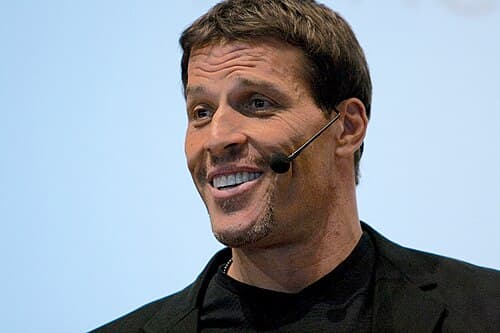
Tony Robbins
Motivational Speaker & Author

Dwayne Johnson
Actor & Producer
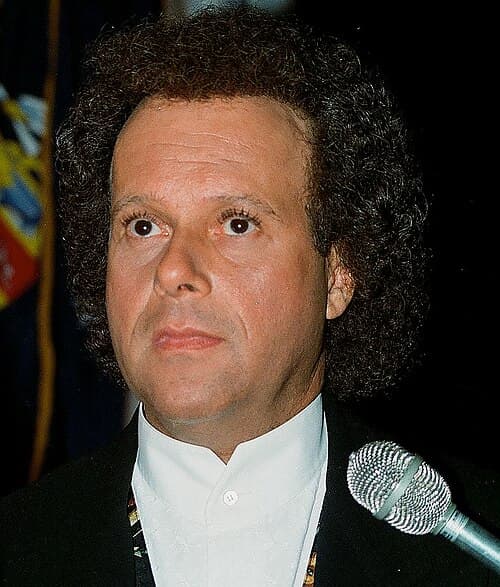
Richard Simmons
Fitness Personality
People may see your enthusiasm as naivety, when in fact you've simply chosen optimism as a strategy for creating change
Your social ease can be mistaken for superficiality, but you're capable of profound depth—you just don't lead with it
When you move quickly from one initiative to another, others may think you're uncommitted, when you're actually responding to where you can have the most impact
Related Personality Types
Based on peer-reviewed research
PRISM-7 is built on the HEXACO model of personality, which has been validated across multiple cultures and languages with superior reliability compared to older models.
Key citation: Ashton & Lee (2007). "The HEXACO Model of Personality Structure." Personality and Social Psychology Review.
Are You Catalyst?
Take our scientifically-validated personality assessment to discover your true type. Free results in ~8 minutes, go deeper anytime.
Discover Your Type