ESTJs are the organizers and administrators who keep society running smoothly. They have a natural talent for creating order, establishing procedures, and ensuring that things get done correctly and on time. In a world that often feels chaotic, ESTJs provide the structure that others depend on.
The ESTJ mind thinks in terms of systems, hierarchies, and clear expectations. They believe in doing things the right way—not out of rigidity, but because they've seen how proper procedures prevent problems and create efficiency. They're frustrated by people who cut corners or ignore established methods.
Despite their task-oriented nature, ESTJs are deeply committed to their communities and families. They show love through providing, protecting, and ensuring that those they care about have what they need. They may not be emotionally expressive, but their dedication is unmistakable.
Cognitive Function Stack
ESTJs lead with Te, naturally organizing the external world for efficiency and results. They think out loud, make quick decisions, and expect clear outcomes.
Si gives ESTJs their respect for tradition and proven methods. They draw on past experience to guide decisions and value continuity.
Ne provides ESTJs with some openness to new possibilities, though they prefer to work within established frameworks.
Fi is the ESTJ's weak point. They may struggle with their own emotions or fail to consider personal values in decision-making. Under stress, they can become uncharacteristically sensitive or feel unappreciated.
Extraverted Thinking
Introverted Sensing
Extraverted Intuition
Introverted Feeling
ESTJ cognitive function stack (strongest → weakest)
Organization
ESTJs create and maintain systems that keep things running smoothly.
Decisiveness
They make clear decisions and take action rather than deliberating endlessly.
Reliability
When ESTJs commit to something, it gets done. They take their word seriously.
Direct Communication
They say what they mean clearly, eliminating ambiguity and confusion.
Emotional Sensitivity
ESTJs may overlook or dismiss emotional factors, damaging relationships without realizing it.
Flexibility
Their commitment to established methods can become rigidity that prevents adaptation.
Innovation
Focus on proven approaches may cause them to miss better solutions or dismiss creative ideas.
Patience
They can become frustrated with people who work differently or need more time to process.
Think You're an ESTJ?
MBTI categories can be misleading. Get a more accurate, dimensional assessment with confidence intervals that show where you truly fall on each trait.
Take the Free PRISM-7 AssessmentESTJ in Relationships
ESTJs show love through providing, protecting, and creating stability. They're loyal partners who take commitment seriously. They need partners who appreciate their practical nature and don't require constant emotional processing.
ESTJs maintain friendships through shared activities and mutual respect. They're reliable friends who show up when needed and expect the same in return. They value friends who are straightforward and don't create unnecessary drama.
ESTJs excel in management and administrative roles that require organization and clear direction. They create efficient systems and hold teams accountable. They struggle with ambiguity, constant change, and colleagues who don't meet their commitments.
Deep Dive: ESTJ Guides
ESTJ Learning Style
How this type learns best
ESTJ Career Guide
Best career paths and workplace advice
ESTJ Relationships
Love, dating, and connection
ESTJ Communication
How to communicate effectively
ESTJ Stress & Coping
Managing stress and building resilience
ESTJ Leadership
Leadership style and management
ESTJ Personal Growth
Development and self-improvement
ESTJ At Work
Workplace dynamics and team roles
ESTJ Compatibility
Type compatibility and pairings
Operations Manager
Uses their organizational skills to ensure smooth business operations
Military Officer
Values their respect for hierarchy, duty, and clear command structure
School Administrator
Applies their organizational skills to educational institutions
Financial Manager
Combines their attention to procedure with responsibility for resources
Judge
Uses their respect for rules and procedures in service of justice
Consider emotional factors in decisions. Logic isn't the only valid input.
Practice flexibility. Sometimes the best solution isn't the established one.
Listen to understand, not just to respond. Others' perspectives have value.
Recognize that different doesn't mean wrong. Other approaches can also work.
Express appreciation for who people are, not just what they accomplish.
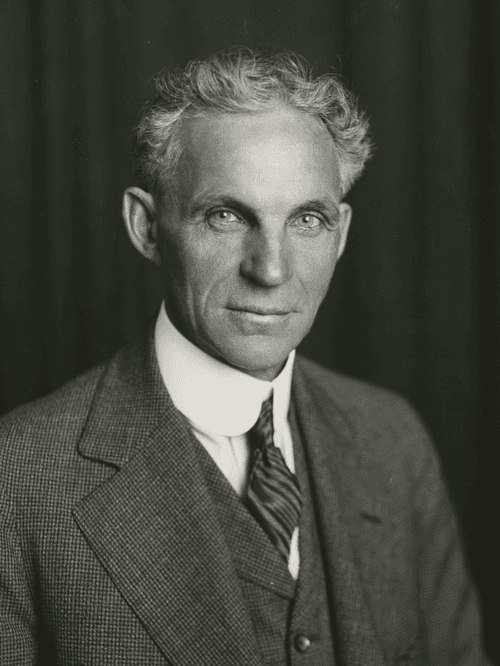
Henry Ford
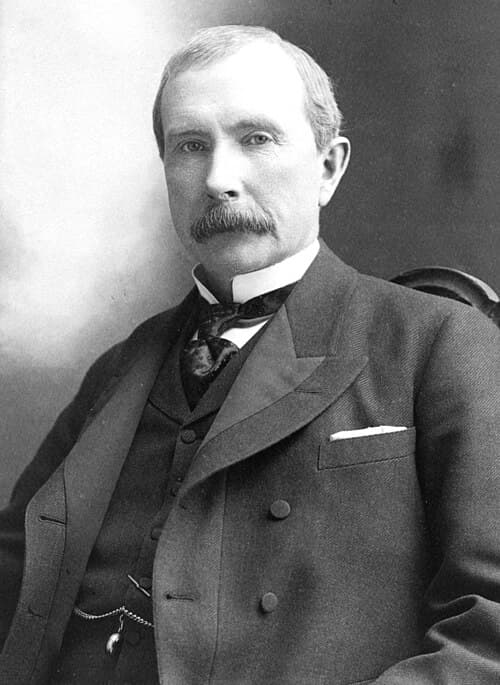
John D. Rockefeller

Judge Judy

Lyndon B. Johnson

Martha Stewart

Sonia Sotomayor

Dr. Phil

Michelle Pfeiffer
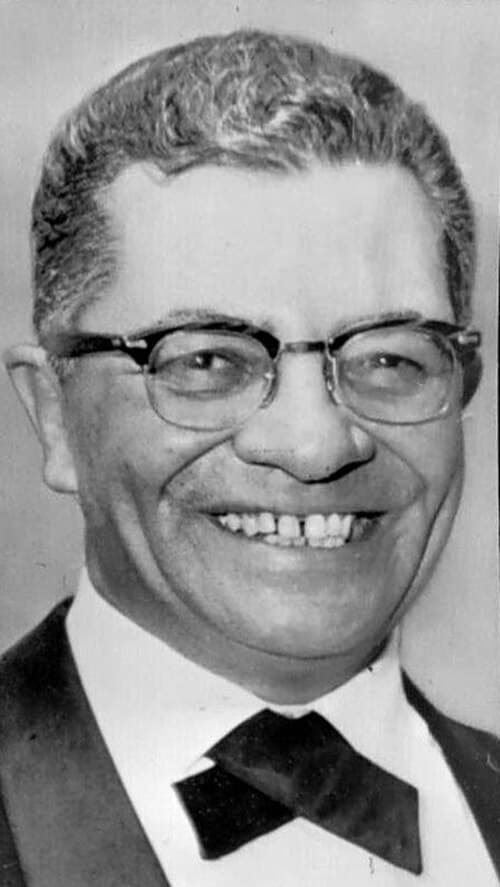
Vince Lombardi

Emma Watson

Alec Baldwin

Nancy Pelosi
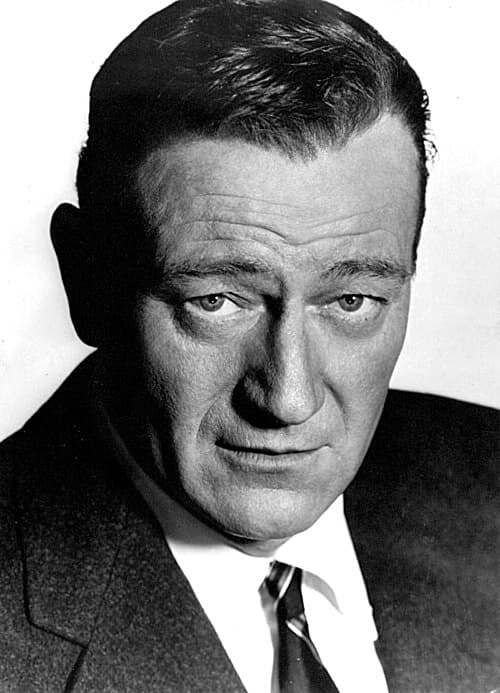
John Wayne

Sam Walton

Frank Sinatra
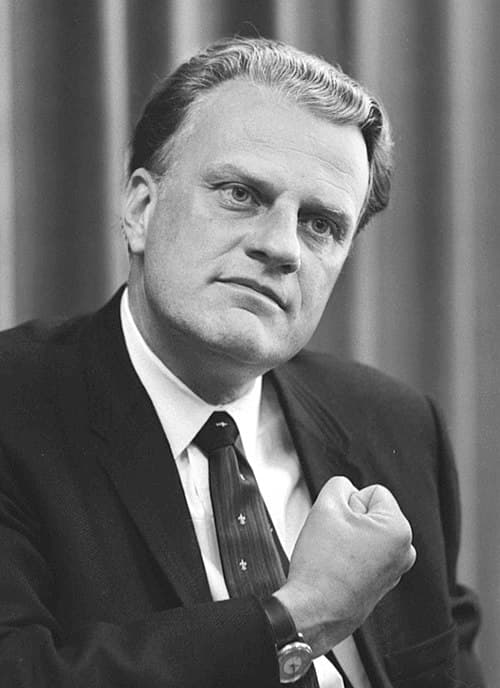
Billy Graham

Mike Pence

Bernard Law Montgomery

Douglas MacArthur

Kamala Harris
High Conscientiousness + High Extraversion + Low Openness
You may find strong alignment with these PRISM-7 archetypes:
While MBTI is popular and can provide useful frameworks for self-reflection, the scientific community has identified significant limitations:
Poor Reliability
39-76% of people get a different type when retaking the test after just 5 weeks. Your "type" shouldn't change that often.
False Dichotomies
You're not "T or F"—personality traits exist on a spectrum. Someone scoring 51% Thinking is treated the same as someone scoring 99%.
Barnum Effect
Type descriptions are often vague enough that most people would agree with them regardless of their actual type.
The PRISM-7 Difference
- 85-92% test-retest reliability — your results stay consistent
- Dimensional scores — see exactly where you fall on each trait
- Confidence intervals — know the precision of your results
- Based on HEXACO+ — the most validated model in modern psychology
Ready for a More Accurate Assessment?
Discover your true personality profile with PRISM-7—the scientifically-validated evolution of personality assessment. Free, no signup required.
Take the Free PRISM-7 Assessment