Having no identity or personal significance
To find themselves and their significance
To express their individuality, to create and surround themselves with beauty, to maintain certain moods and feelings
The psychological landscape of the Type Four is constructed around a central, vibrating wound: the profound sense that they are fundamentally different from others, not merely in preference or style, but in ontological substance. Unlike types who seek to fit in or dominate, the Four's ego structure is predicated on the separation itself. This creates a paradox that defines their existence: they desperately long for connection and understanding, yet they cultivate an identity that emphasizes their alienation. This 'differentness' is a double-edged sword—it is the source of their creative genius and the root of their persistent melancholy. They often feel as though they were dropped onto the wrong planet, lacking the instruction manual for 'normal' human interaction that everyone else seems to have memorized since birth. This results in a hyper-vigilant self-consciousness, where the Four is simultaneously the actor on the stage and the harshest critic in the audience, constantly monitoring their own authenticity and presentation.
At the heart of the Four's fixation is the mechanism of 'introjection'—the internalization of external experiences to protect the self. When a Four feels abandoned or misunderstood in childhood (often perceiving a disconnection from both parents), they do not fight back (like the Eight) or try to earn love (like the Two); instead, they withdraw and build a rich, tumultuous inner world. They identify with the feeling of loss itself. Over time, 'I am sad' transforms into 'I am Sadness.' They begin to view their suffering not as a temporary state to be remedied, but as a badge of depth, a signifier that they are feeling more deeply than the shallow world around them. This romanticization of pain is a defense mechanism: if I am the 'Tragic One,' then at least I have an identity. At least I am somebody. The fear of having no identity is so potent that a negative identity—the misunderstood outcast, the suffering artist—is preferable to being a generic 'nobody.'
In the realm of the Heart Center, Fours are the most honest and the most deceptive. They are honest because they are willing to dive into the darkest trenches of the human psyche—grief, shame, rage, despair—without flinching. They can sit with a grieving friend and not offer platitudes, providing a profound container for healing. However, they are deceptive because they often manufacture or prolong these moods to sustain their sense of self. A Four might wake up feeling neutral, panic at the lack of emotional intensity (which feels like emptiness), and unconsciously trigger a sad memory or play melancholic music to 'rev up' their emotional engine. They mistake intensity for authenticity. They believe that unless an experience is emotionally overwhelming, it isn't 'real.' This addiction to intensity can exhaust their nervous system and alienate those who cannot sustain such high-voltage emotionality.
The Four's relationship with the physical body is often fraught with dissociation or scrutiny. Unlike the One who controls the body or the Eight who inhabits it powerfully, the Four often feels their body is an aesthetic object or a vessel that fails to match their internal grandeur. They may adorn themselves in unique clothing or curate a specific aesthetic to bridge the gap between their inner fantasy and outer reality. This is not superficial vanity; it is an attempt to signal their internal reality to the outside world. 'If you see how I dress/decorate/create,' the Four hopes, 'you might finally see me.' Yet, when others do try to understand them, the Four often withdraws, fearing that if they are fully understood, they will lose their mystery, or worse, that the other person will see the 'defect' the Four has been hiding all along.
The paradox of the Four's social interaction is the 'Push-Pull' dynamic. They crave intimacy and deep connection above all else (often feeling contempt for 'small talk'), but when intimacy is offered, they may recoil. This is because intimacy threatens their internal narrative of being 'the one who is alone and misunderstood.' If someone truly loves and understands them, the Four must relinquish their identity as the tragic victim. Furthermore, closeness reveals their flaws. Thus, they often play a game of 'come here, go away.' They seduce others with their vulnerability and depth, but when the other person gets too close, the Four withdraws or finds fault, re-establishing the safe distance of longing. They are most comfortable in the state of longing—desiring what is absent—rather than enjoying what is present.
Ultimately, the journey of the Four is a spiritual transmutation. They are the alchemists of the Enneagram. Their burden is their sensitivity to the pain of the world and their own internal lack. But their gift is the ability to transform that leaden pain into golden consciousness. When a Four heals, they do not lose their depth; they lose their self-absorption. They stop using their pain to separate themselves from humanity and instead use it to connect. They realize that their 'defect' is actually just the human condition, shared by everyone. In this realization, they move from the solitary mourner to the universal poet, able to articulate the collective sorrow and joy of existence in a way that heals not just themselves, but everyone who encounters their work or their presence.
Levels of Health
At the highest levels of health, the Type Four undergoes a profound metamorphosis, shifting from self-absorption to self-transcendence. They stop checking their internal emotional temperature every five minutes and instead turn their formidable gaze outward, engaging with the world through a lens of profound beauty and empathy. The healthy Four is ironically the most objective of the types about their own emotions; they can experience a wave of grief or joy, acknowledge it fully, alchemize it into creative expression or wisdom, and then let it go, rather than building a house inside the feeling.
In the average range, the Four begins to confuse their identity with their shifting emotional states. The internal narrative shifts from 'I am experiencing sadness' to 'I am a tragic person.' They become increasingly self-referential; conversations inevitably circle back to their feelings, their unique reactions, and their personal history. They cultivate a persona of the 'outsider' or the 'misunderstood genius,' using aesthetics—clothing, decor, musical taste—to signal their difference from the 'normies' (ordinary people) whom they secretly envy.
In the unhealthy range, the Four's detachment from reality becomes dangerous. They sink into a 'clinical' level of depression, not just as a mood, but as a lifestyle and a defense. The envy turns into a toxic self-hatred and a punishing hatred of the world that fails to appreciate them.
Wings
The 4w3 combines the Four's longing for depth with the Three's drive for success and external validation. This creates a personality that is both introspective and performative. Unlike the 4w5, who is content to create in a garret, the 4w3 wants an audience.
The 4w5 is the classic 'outsider'—introverted, cerebral, and deeply unconventional. The Five wing adds an intellectual, analytical layer to the Four's emotional storms. This type is less concerned with whether others like them and more concerned with whether they are being true to their own esoteric vision.
Growth & Stress Paths
When the Four integrates toward Type One (The Reformer), they do not lose their creativity; they gain the vessel to contain it. The movement to One represents the shift from 'Subjective Feeling' to 'Objective Action.' The Four stops waiting for the 'muse' or the 'right mood' and begins to work with discipline and principle. They realize that true freedom comes from structure, not from surrendering to every passing emotional impulse.
Under extreme stress, the usually withdrawn Four disintegrates toward Type Two (The Helper). The aloof, mysterious outsider suddenly becomes the clingy, hysterical dependent. When the Four feels that their distance has resulted in actual abandonment, they panic and try to 'buy' connection through manipulation and over-involvement.
Think You're a Type 4?
Enneagram typing can be subjective. Get a more objective, dimensional assessment with confidence intervals that show where you truly fall on each trait.
Take the Free PRISM-7 AssessmentIn the realm of intimacy, the Type Four is the archetypal Romantic. They do not want a partner; they want a Soulmate. They crave a connection that transcends the verbal, a fusion of souls that is telepathic, intense, and transformative. When a Four loves, they love with a depth and vulnerability that can be breathtaking.
Psychotherapist / Counselor
Fours have a natural immunity to the dark. In a day-in-the-life scenario, a Four therapist sits with a client detailing a traumatic history. Where other types might flinch or rush to offer 'fix-it' solutions to alleviate the tension, the Four leans in. They create a container of absolute safety, signaling non-verbally that no emotion is too frightening to be held. Their intuition allows them to hear what the client is not saying, picking up on the subtle frequencies of shame or grief. This profession allows the Four to utilize their high emotional intelligence and desire for deep connection in a structured, professional way that also fulfills their need for meaning.
Creative Director / Brand Storyteller
In the corporate world, Fours shine where emotion meets commerce. As a Creative Director, a Four doesn't just approve logos; they hunt for the 'soul' of the brand. Imagine a boardroom struggling to define a product's identity. The Four steps in and weaves a narrative that connects the product to a universal human experience—belonging, nostalgia, or aspiration. They use their high Openness (PRISM-7) to envision aesthetics that evoke specific moods. Their ability to tap into the collective unconscious allows them to create campaigns that don't just sell, but resonate, turning customers into devotees.
Writer / Novelist / Poet
Writing is the ultimate act of self-creation for the Four. It provides a socially acceptable outlet for their intense introspection and 'movie-in-the-mind' tendencies. A Four writer spends their day transmuting their personal pain into universal narratives. They are the ones who find the exact right word to describe the feeling of Sunday afternoon loneliness. This career grants them the solitude they crave (High Introversion) while allowing them to communicate intimately with thousands of people. It turns their tendency to ruminate into a productive asset, validating their unique perspective on the world.
Hospice Worker / Grief Doula
While this may seem morbid to others, for a Four, it is a role of profound honor. Fours are not afraid of death or the heavy emotions surrounding it. In this role, they act as a guide through the ultimate transition. They can sit in silence with a dying patient, holding their hand, offering a presence that is calm and real. They help families navigate the messy, non-linear process of grief without offering trite platitudes. Their capacity to find beauty in tragedy makes them uniquely suited to help others find meaning in the end of life.
Boutique Owner / Interior Designer
For the Four, an environment is an externalization of the soul. As a designer or shop owner, they don't just arrange furniture; they curate an atmosphere. They might spend hours finding the perfect vintage velvet chair that speaks of 'faded elegance.' Clients hire them not for efficiency, but for their unique 'eye' and their ability to create spaces that feel emotionally resonant. This career satisfies their need for aesthetic control and their desire to be recognized as a tastemaker who sees beauty where others see merely objects.
Deep Dive: Type 4 Guides
Type 4 Learning Style
How this type learns best
Type 4 Career Guide
Best career paths and workplace advice
Type 4 Relationships
Love, dating, and connection
Type 4 Communication
How to communicate effectively
Type 4 Stress & Coping
Managing stress and building resilience
Type 4 Leadership
Leadership style and management
Type 4 Personal Growth
Development and self-improvement
Type 4 At Work
Workplace dynamics and team roles
Type 4 Compatibility
Type compatibility and pairings

Frida Kahlo
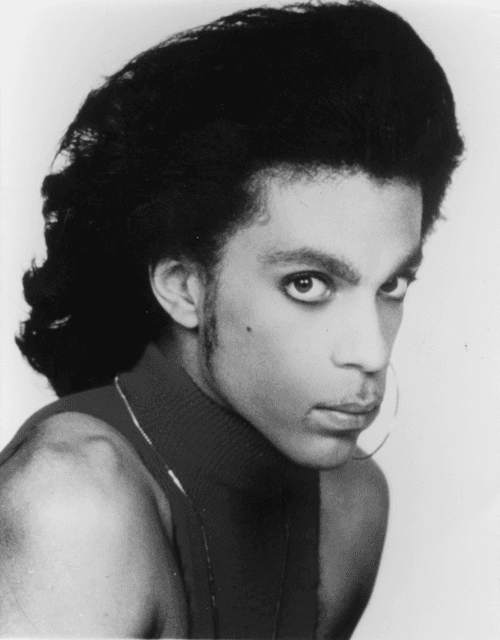
Prince

Virginia Woolf

Johnny Depp

Amy Winehouse
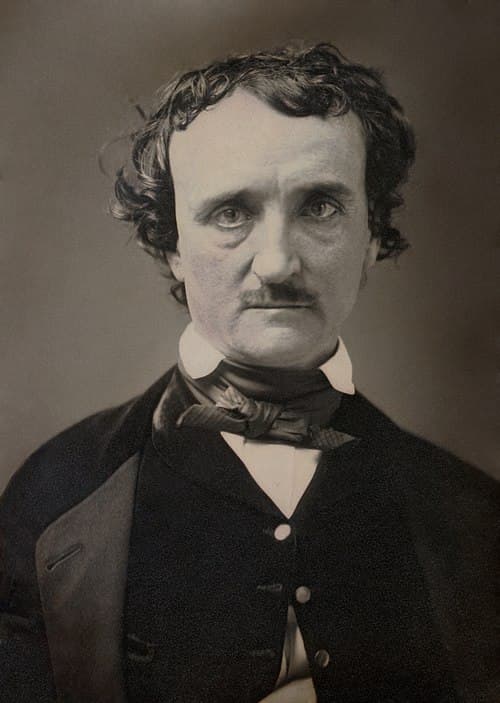
Edgar Allan Poe

Billie Eilish
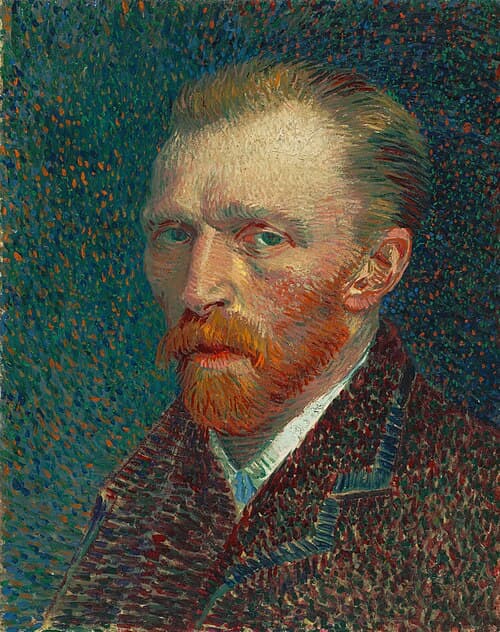
Vincent van Gogh

Kate Bush
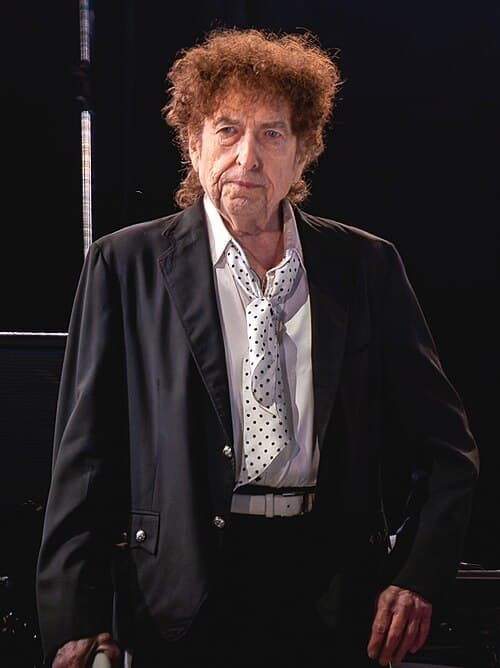
Bob Dylan
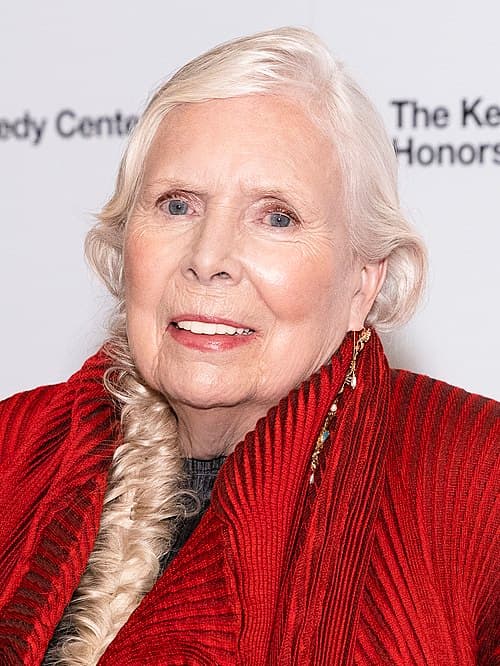
Joni Mitchell

Kurt Cobain

Sylvia Plath
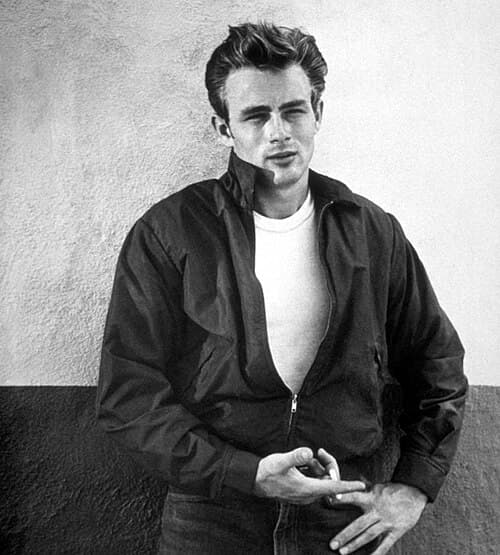
James Dean

Lana Del Rey
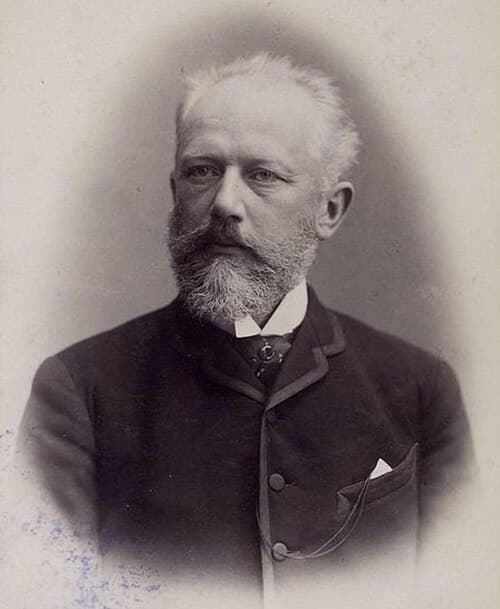
Tchaikovsky

Michael Jackson

Marlon Brando

Winona Ryder

Nicolas Cage
The Enneagram Type Four maps with striking precision to specific clusters within the PRISM-7 (HEXACO+) framework, offering a granular look at why they behave as they do.
High Openness to Experience: This is the hallmark of the Four. In PRISM-7, Openness captures aesthetic appreciation, creativity, and unconventionality. Fours score exceptionally high here, driving their need for unique expression and their ability to see symbolic connections. They are cognitively wired to reject the status quo.
Low Emotional Resilience (High Emotionality): Traditional Big Five calls this Neuroticism, but PRISM-7 frames it as Emotional Resilience. Fours typically score low on Resilience, meaning they have a high reactive sensitivity to their environment. They feel highs and lows more acutely than other types. This explains their 'moodiness'—it is a biological sensitivity to emotional stimuli. However, PRISM-7 notes that this sensitivity is also the source of their empathy and radar for danger.
Variable Honesty-Humility: This HEXACO-specific dimension is crucial. A healthy Four often scores high here (authentic, non-materialistic), while an average/unhealthy Four (especially with a 3 wing) may score lower, exhibiting a sense of entitlement ('I am too special for rules') and a tendency to manipulate situations to garner sympathy.
Low Extraversion: While they can be socially capable, Fours generally score lower on the social boldness and liveliness aspects of Extraversion, preferring deep, one-on-one intimacy to broad social groups.
By using PRISM-7, we can see that the Four is not just 'dramatic'; they are a high-sensitivity, high-creativity system operating in a world designed for lower-sensitivity, higher-resilience types. This reframes their struggle not as a character flaw, but as a mismatch of temperament and environment that requires specific management strategies (like the growth advice provided).
You may find strong alignment with these PRISM-7 archetypes:
While the Enneagram offers valuable frameworks for self-reflection and growth, the scientific community has identified significant limitations:
Limited Validation
Unlike the Big Five or HEXACO, the Enneagram has limited peer-reviewed empirical validation in academic psychology.
Subjective Typing
Determining your type often relies on self-reflection rather than objective measurement, leading to inconsistent results.
No Confidence Intervals
Results are presented as definitive types without acknowledging measurement uncertainty or borderline cases.
The PRISM-7 Difference
- Objective measurement — standardized questions with validated scoring
- Dimensional scores — see exactly where you fall on each trait
- Confidence intervals — know the precision of your results
- Based on HEXACO+ — the most validated model in modern psychology
Ready for Objective Personality Insights?
Discover your true personality profile with PRISM-7—the scientifically-validated evolution of personality assessment. Free, no signup required.
Take the Free PRISM-7 Assessment