ESTPs are the action heroes of the personality world—bold, pragmatic individuals who thrive in the heat of the moment and make things happen through sheer force of will and charm. They have an uncanny ability to read situations and people, responding with perfect timing to get what they want.
The ESTP mind is wired for immediate engagement with the physical world. They're bored by theory and abstraction, preferring to learn through direct experience. They trust their instincts and reflexes, often making split-second decisions that turn out remarkably well.
Despite their love of excitement, ESTPs are surprisingly practical. They're not interested in risk for its own sake—they calculate odds and make informed bets. They may seem reckless to more cautious types, but they usually know exactly what they're doing.
Cognitive Function Stack
ESTPs lead with Se, fully engaged with the physical world around them. They notice everything and respond instantly to opportunities and threats.
Ti gives ESTPs analytical capabilities, helping them understand how things work and make logical decisions quickly.
Fe provides ESTPs with social awareness and charm. They can read a room and adapt their approach to influence others.
Ni is the ESTP's weak point. They may struggle with long-term planning, miss deeper meanings, or become anxious about the future. Under stress, they can become paranoid or obsessed with negative possibilities.
Extraverted Sensing
Introverted Thinking
Extraverted Feeling
Introverted Intuition
ESTP cognitive function stack (strongest → weakest)
Quick Thinking
ESTPs assess situations and respond effectively faster than almost anyone else.
Persuasiveness
They read people well and know how to influence them toward desired outcomes.
Pragmatism
ESTPs focus on what works rather than what should work in theory.
Crisis Management
They remain calm and effective when others panic, thriving under pressure.
Long-Term Thinking
ESTPs may neglect future consequences in pursuit of immediate results.
Emotional Depth
They may avoid or dismiss deeper emotional processing.
Patience
Waiting for results or dealing with slow processes frustrates them.
Commitment
The lure of new opportunities can make long-term dedication challenging.
Think You're an ESTP?
MBTI categories can be misleading. Get a more accurate, dimensional assessment with confidence intervals that show where you truly fall on each trait.
Take the Free PRISM-7 AssessmentESTP in Relationships
ESTPs bring excitement, spontaneity, and fun to relationships. They show love through shared experiences and practical support. They need partners who can keep up with their pace and don't require extensive emotional processing.
ESTPs are fun, generous friends who make ordinary situations exciting. They're loyal to their crew and quick to help in practical ways. They need friends who enjoy action and don't take themselves too seriously.
ESTPs excel in fast-paced roles that require quick thinking and people skills. They struggle with bureaucracy, routine, and excessive planning. They're natural salespeople, negotiators, and crisis managers.
Deep Dive: ESTP Guides
ESTP Learning Style
How this type learns best
ESTP Career Guide
Best career paths and workplace advice
ESTP Relationships
Love, dating, and connection
ESTP Communication
How to communicate effectively
ESTP Stress & Coping
Managing stress and building resilience
ESTP Leadership
Leadership style and management
ESTP Personal Growth
Development and self-improvement
ESTP At Work
Workplace dynamics and team roles
ESTP Compatibility
Type compatibility and pairings
Entrepreneur
Provides the action, risk, and autonomy they thrive on
Sales Executive
Uses their persuasion skills and love of the deal
Paramedic/EMT
Combines action with practical problem-solving under pressure
Stock Trader
Fast-paced environment that rewards quick decisions
Sports Coach
Applies their competitive drive and ability to motivate others
Consider long-term consequences before acting. The future will arrive eventually.
Develop tolerance for slower processes. Not everything can or should be rushed.
Practice emotional presence. Sometimes people need you to just listen.
Build some routine into your life. Structure can actually enable freedom.
Recognize that reflection has value. Not all important work is visible action.
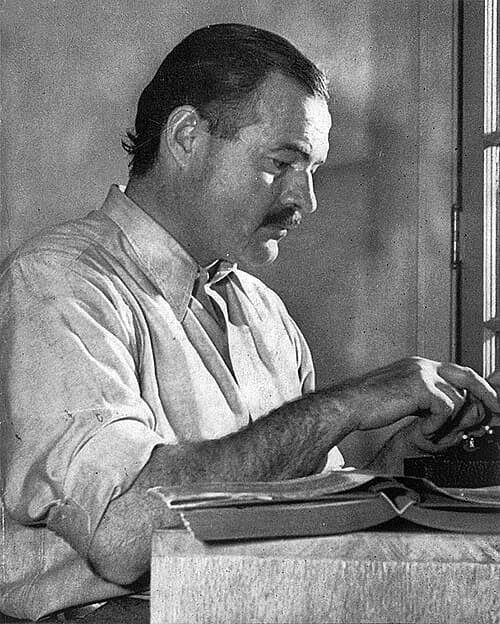
Ernest Hemingway

Madonna

Donald Trump

Eddie Murphy
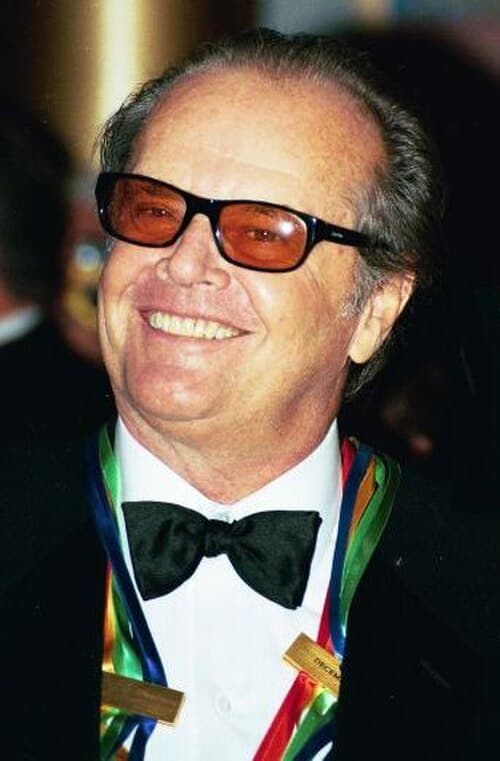
Jack Nicholson

Mick Jagger

George Clooney

Samuel L. Jackson

Angelina Jolie

Nicolas Cage

Kevin Bacon

Eva Longoria
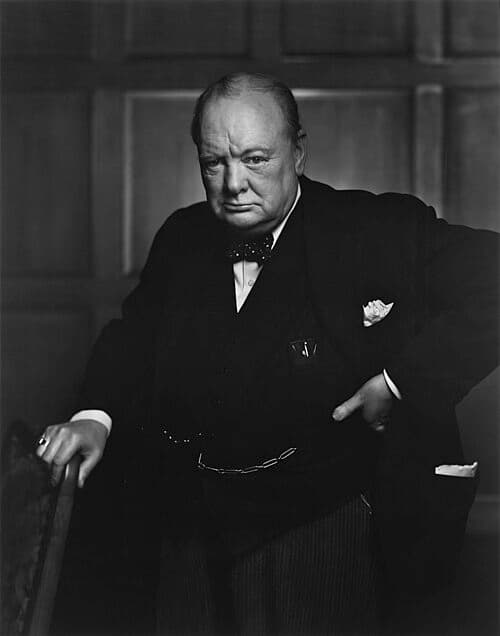
Winston Churchill
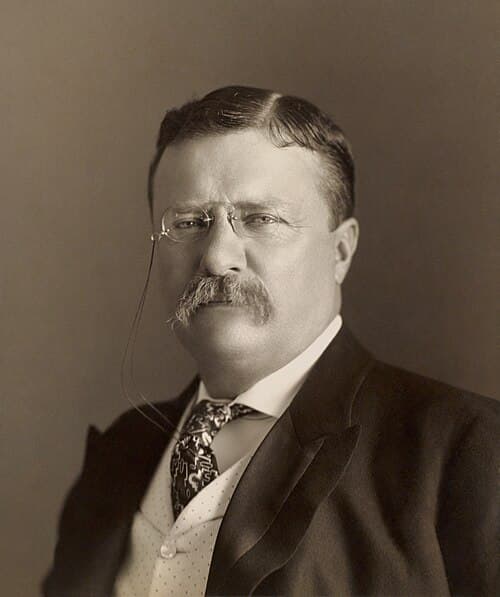
Theodore Roosevelt

Lucille Ball

Bruce Willis

Antonio Banderas

Burt Reynolds

Helen Mirren
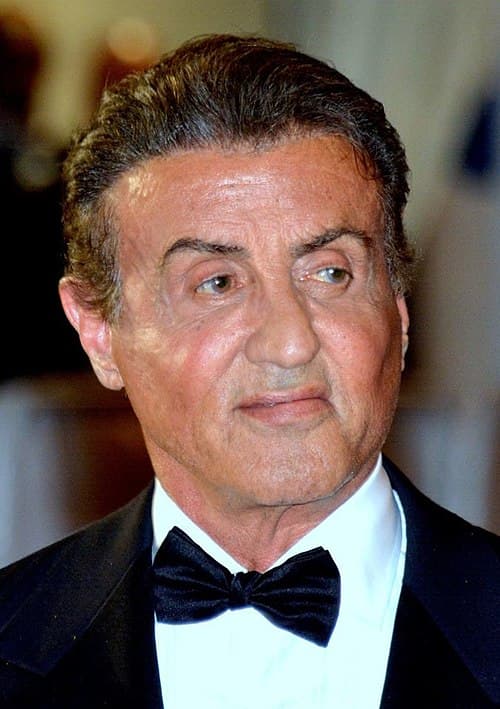
Sylvester Stallone
While MBTI is popular and can provide useful frameworks for self-reflection, the scientific community has identified significant limitations:
Poor Reliability
39-76% of people get a different type when retaking the test after just 5 weeks. Your "type" shouldn't change that often.
False Dichotomies
You're not "T or F"—personality traits exist on a spectrum. Someone scoring 51% Thinking is treated the same as someone scoring 99%.
Barnum Effect
Type descriptions are often vague enough that most people would agree with them regardless of their actual type.
The PRISM-7 Difference
- 85-92% test-retest reliability — your results stay consistent
- Dimensional scores — see exactly where you fall on each trait
- Confidence intervals — know the precision of your results
- Based on HEXACO+ — the most validated model in modern psychology
Ready for a More Accurate Assessment?
Discover your true personality profile with PRISM-7—the scientifically-validated evolution of personality assessment. Free, no signup required.
Take the Free PRISM-7 Assessment