ISFPs are the artists and aesthetes of the personality world—individuals who experience life intensely through their senses and express themselves through action rather than words. They have a natural eye for beauty and an ability to create harmony in their physical environment.
The ISFP's inner world is rich with feeling and sensation, though they rarely share it openly. They process experiences deeply, forming strong personal values that guide their choices. They don't impose these values on others but live them quietly and consistently.
ISFPs are present-focused, preferring to experience life as it unfolds rather than planning extensively for the future. They're spontaneous and adaptable, comfortable with uncertainty as long as they have freedom to respond in their own way.
Cognitive Function Stack
ISFPs lead with Fi, navigating the world through their internal value system. They have a strong sense of personal ethics and authenticity.
Se gives ISFPs their connection to the physical world and aesthetic sensitivity. They're attuned to sensory experiences and often express themselves through physical mediums.
Ni provides ISFPs with some ability to see deeper meanings and future implications, though they prefer to stay grounded in present experience.
Te is the ISFP's weak point. They may struggle with organization, logical analysis, and asserting themselves in practical matters. Under stress, they can become uncharacteristically critical or controlling.
Introverted Feeling
Extraverted Sensing
Introverted Intuition
Extraverted Thinking
ISFP cognitive function stack (strongest → weakest)
Aesthetic Sensitivity
ISFPs have a natural eye for beauty and create harmony in their environments.
Authenticity
They live according to their values without pretense or performance.
Gentleness
ISFPs interact with others and the world with care and consideration.
Adaptability
They respond flexibly to changing situations without losing their center.
Planning
ISFPs may neglect long-term planning in favor of present experience.
Self-Advocacy
They often struggle to assert their needs or promote their accomplishments.
Verbal Expression
Putting feelings into words can be challenging, leading to misunderstandings.
Criticism
They may take feedback personally and withdraw rather than engage.
Think You're an ISFP?
MBTI categories can be misleading. Get a more accurate, dimensional assessment with confidence intervals that show where you truly fall on each trait.
Take the Free PRISM-7 AssessmentISFP in Relationships
ISFPs show love through presence, thoughtful gestures, and shared experiences. They're loyal partners who need space to be themselves. They struggle with partners who are overly critical or try to change them.
ISFPs form deep bonds with a few people who accept them as they are. They're supportive friends who show up through actions rather than words. They need friends who don't require extensive verbal processing.
ISFPs thrive in roles that allow creative expression and align with their values. They struggle with rigid structures, conflict, and work that feels meaningless. They prefer to contribute quietly rather than compete for recognition.
Deep Dive: ISFP Guides
ISFP Learning Style
How this type learns best
ISFP Career Guide
Best career paths and workplace advice
ISFP Relationships
Love, dating, and connection
ISFP Communication
How to communicate effectively
ISFP Stress & Coping
Managing stress and building resilience
ISFP Leadership
Leadership style and management
ISFP Personal Growth
Development and self-improvement
ISFP At Work
Workplace dynamics and team roles
ISFP Compatibility
Type compatibility and pairings
Artist/Designer
Allows direct expression of their aesthetic sensitivity
Veterinarian
Combines their gentleness with hands-on care for animals
Chef
Applies their sensory awareness and creativity to food
Physical Therapist
Uses hands-on skills to help others heal
Photographer
Captures beauty and meaning through visual medium
Practice expressing feelings verbally. Others need to hear what you're thinking.
Develop some structure in your life. Planning doesn't have to constrain spontaneity.
Learn to receive feedback without taking it personally. Growth requires input.
Advocate for yourself. Your needs and accomplishments deserve recognition.
Engage with conflict when necessary. Avoidance often makes things worse.

Bob Dylan
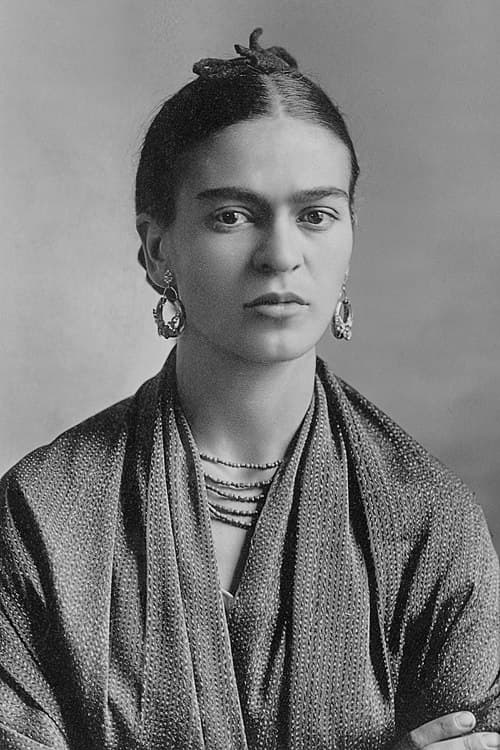
Frida Kahlo
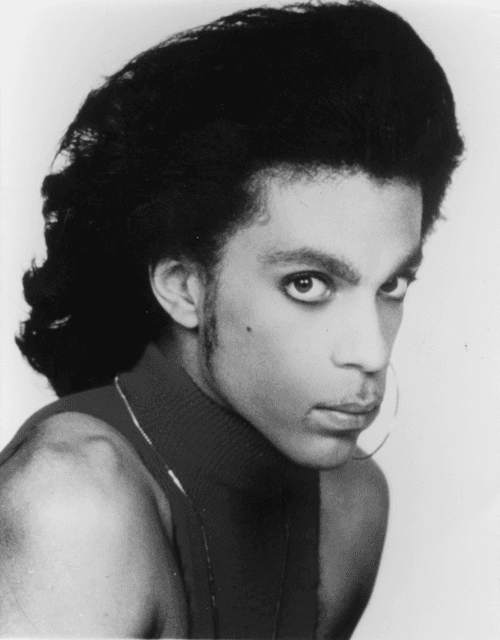
Prince
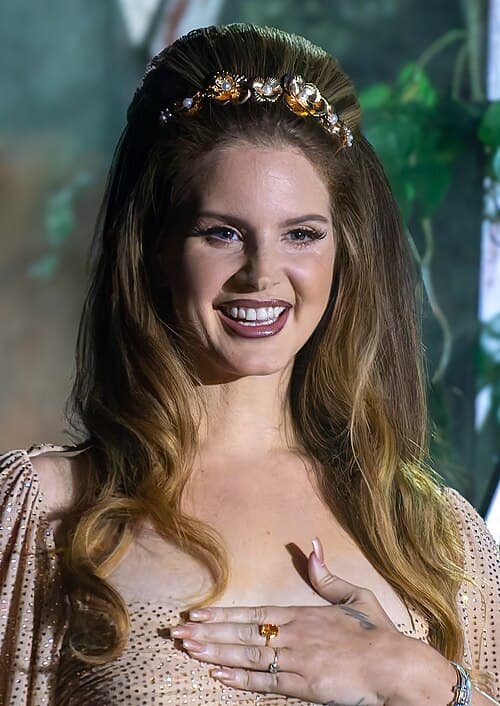
Lana Del Rey
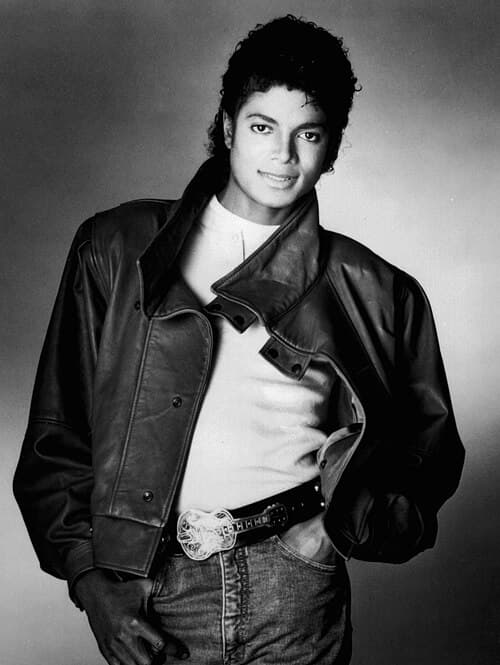
Michael Jackson

Marilyn Monroe

Rihanna

Brad Pitt
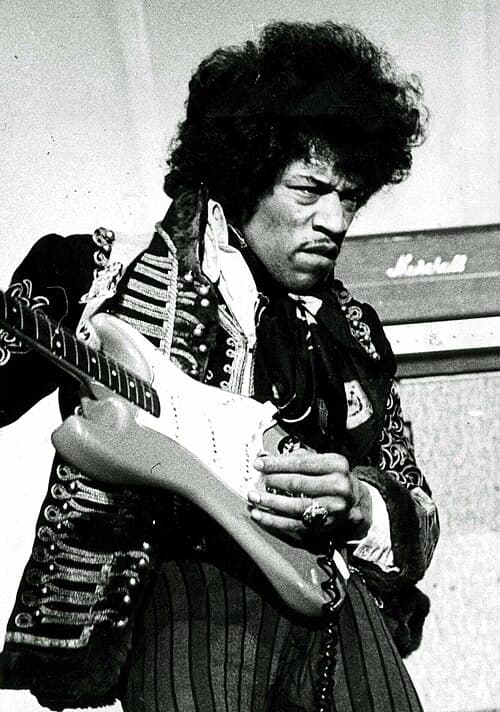
Jimi Hendrix

David Bowie

Lady Gaga
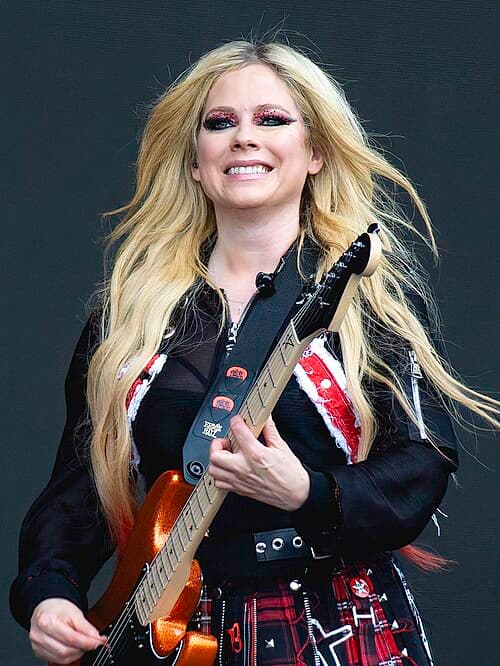
Avril Lavigne
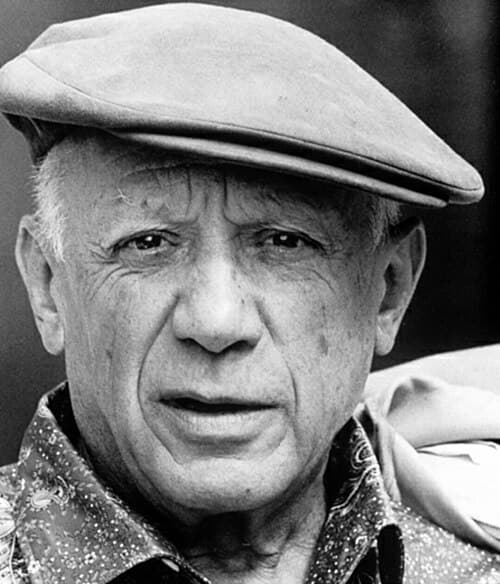
Pablo Picasso
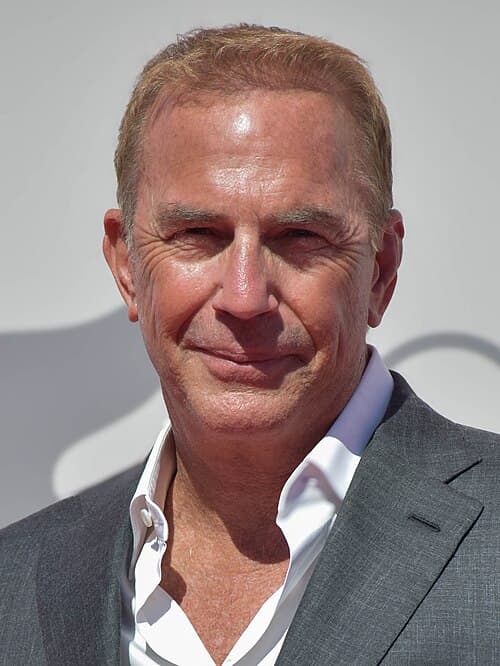
Kevin Costner
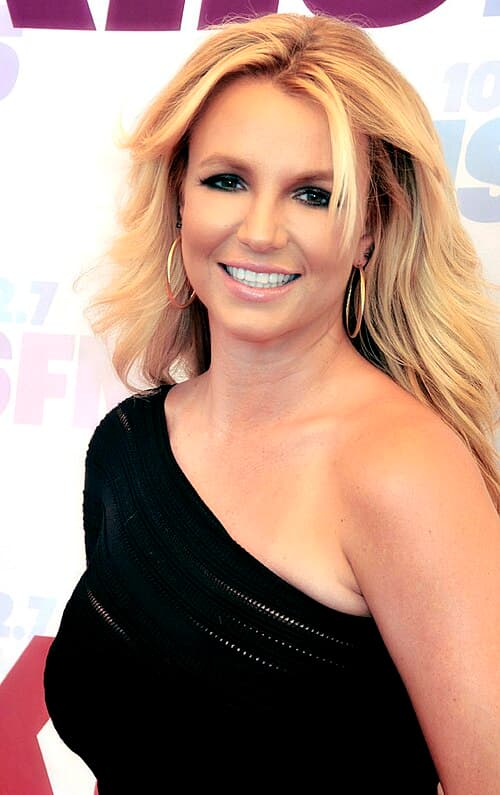
Britney Spears

Ryan Gosling
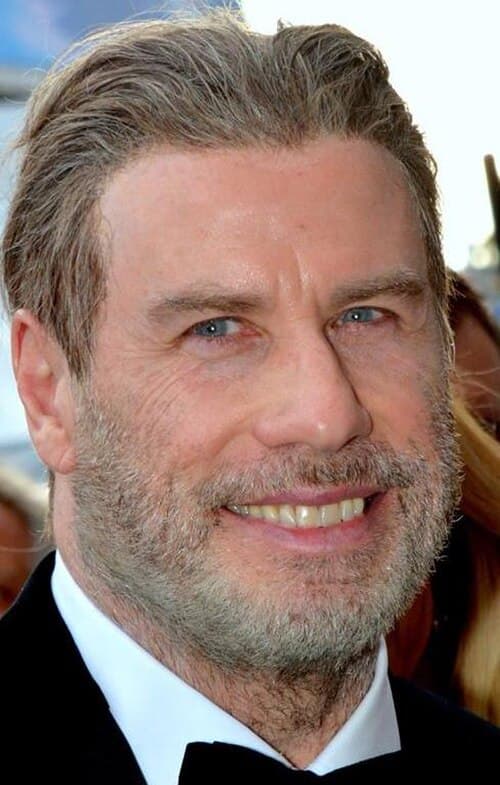
John Travolta

Billie Eilish

Jared Leto

Amy Winehouse
High Openness + High Agreeableness + Low Extraversion + Low Conscientiousness
You may find strong alignment with these PRISM-7 archetypes:
While MBTI is popular and can provide useful frameworks for self-reflection, the scientific community has identified significant limitations:
Poor Reliability
39-76% of people get a different type when retaking the test after just 5 weeks. Your "type" shouldn't change that often.
False Dichotomies
You're not "T or F"—personality traits exist on a spectrum. Someone scoring 51% Thinking is treated the same as someone scoring 99%.
Barnum Effect
Type descriptions are often vague enough that most people would agree with them regardless of their actual type.
The PRISM-7 Difference
- 85-92% test-retest reliability — your results stay consistent
- Dimensional scores — see exactly where you fall on each trait
- Confidence intervals — know the precision of your results
- Based on HEXACO+ — the most validated model in modern psychology
Ready for a More Accurate Assessment?
Discover your true personality profile with PRISM-7—the scientifically-validated evolution of personality assessment. Free, no signup required.
Take the Free PRISM-7 Assessment