To inhabit the mind of an ESFP is to live in a world of high-definition sensory immediacy. While other types are often distracted by the past's regrets or the future's anxieties, the ESFP is radically, almost aggressively, present. Their cognitive architecture functions like a high-bandwidth receiver, absorbing the texture of reality—the precise hum of a conversation, the shifting light in a room, the micro-expressions on a friend's face—with a fidelity that can be overwhelming to less sensitive types. This is not merely 'noticing things'; it is a somatic immersion where the boundary between the observer and the environment becomes porous. They do not just see a sunset; they feel the dropping temperature, smell the ozone, and instinctively understand how to frame the moment to maximize its emotional resonance for everyone present.
This intense sensory engagement drives their reputation as 'entertainers,' but the label often trivializes their psychological depth. The ESFP's performance is rarely an act of vanity; it is an act of service. They possess an innate, radar-like empathy that scans for discordant energy in a group. When they crack a joke or pull someone onto the dance floor, it is often a calculated social intervention designed to elevate the collective mood. They are the thermoregulators of social ecosystems, instinctively adjusting their output—volume, affection, humor—to bring the group to homeostasis. This requires a cognitive agility that PRISM-7 identifies as high Adaptability, a trait often undervalued in traditional corporate hierarchies but essential for dynamic leadership.
Ultimately, the ESFP brings a vital form of intelligence to the human community: Aesthetic Intelligence. They understand that life is not just a series of logical problems to be solved, but a sequence of experiences to be felt. In a world that increasingly prioritizes the digital and the abstract, the ESFP reminds us of the physical and the human. They teach us that efficiency is meaningless without joy, and that the greatest truth is often found not in a textbook, but in the shared laughter of a meal or the collective rhythm of a song. They are the guardians of the human spark.
Cognitive Function Stack
For the ESFP, Se is not merely a function; it is a state of being. It represents a cognitive preference for raw, unfiltered data intake from the external world. While others filter reality through past experiences (Si) or future possibilities (Ne), the ESFP drinks from the firehose of the present.
If Se is the intake valve, Fi is the filter. It is a deeply internal, subjective decision-making process based on authenticity and resonance. Unlike Fe, which looks to social norms for harmony, Fi looks inward: 'Does this feel right to me?' This function gives the ESFP their surprising stubbornness regarding their core values.
Te is the ESFP's relief function and their tool for mobilizing the environment. When the ESFP wants to achieve a goal (usually identified by Se and validated by Fi), Te comes out to organize the logistics. It is blunt, direct, and surprisingly commanding.
Ni is the ESFP's blind spot and source of aspiration/insecurity. It represents abstract patterns, long-term implications, and symbolic meaning. For an ESFP, the distant future feels like a foggy, irrelevant abstraction.
Extraverted Sensing
Introverted Feeling
Extraverted Thinking
Introverted Intuition
ESFP cognitive function stack (strongest → weakest)
Catalytic Enthusiasm
The ESFP possesses a unique neuro-social ability to alter the arousal levels of a group. This is not just 'being happy'; it is a transfer of energy. In a workplace where morale is low, an ESFP can reset the emotional baseline simply by entering the room with high-frequency positive affect. This functions through emotional contagion mechanisms—the ESFP smiles and moves with such authenticity that mirror neurons in others trigger a similar state. Unlike forced corporate cheerfulness, the ESFP’s enthusiasm is rooted in genuine appreciation for the moment, making it highly effective in sales, team building, and crisis recovery. They act as a human antidepressant.
Somatic Empathy
While other types empathize cognitively (understanding perspective) or emotionally (feeling the same feelings), ESFPs often empathize somatically. They read body language, tone, and physical spacing with expert precision. In a negotiation or a therapy session, they pick up on the tightening of a jaw or a shift in posture that indicates hesitation long before it is verbalized. This allows them to address discomfort immediately ('You look like you hate this idea, let's scrap it'). This strength, mapping to PRISM-7's Agreeableness and Openness, makes them unparalleled at building rapid rapport and making people feel physically safe and seen.
Radical Adaptability
In a volatile, uncertain world, the ESFP's refusal to be wedded to a plan is a strategic asset. Where high-structure types (High Conscientiousness/Judgers) crumble when parameters change, the ESFP thrives. Their cognitive processing creates a 'flow state' where they pivot instantly without the friction of ego or regret. If a venue rains out, the computer crashes, or the client changes their mind, the ESFP doesn't waste energy complaining; they immediately scan the new environment for the next best option. This resilience is often mistaken for flakiness, but it is actually high-speed problem solving. They are the masters of the 'Plan B' that turns out better than 'Plan A'.
Tactical Crisis Management
ESFPs are often at their best when things go wrong. Their dominant Se bypasses the prefrontal cortex's deliberation loops, allowing for immediate physical action. In emergency services, hospitality nightmares, or PR scandals, the ESFP acts while others are still convening a committee. They are pragmatic and resourceful, utilizing whatever tools are physically at hand to stop the bleeding (literal or metaphorical). This practical heroism is driven by a desire to restore harmony and well-being immediately. They don't theorize about the fire; they pick up the extinguisher.
Temporal Myopia
The ESFP's hyper-focus on the present creates a significant deficit in 'future self-continuity'—the psychological ability to view one's future self as the same person as the present self. This leads to the classic blinding spot: prioritizing immediate gratification (spending, eating, quitting) over long-term well-being. The consequences are real: credit card debt, health issues from lifestyle choices, or a resume filled with lateral moves. This isn't a lack of intelligence, but a cognitive bias where the future feels less 'real' than the present. They struggle to sacrifice a tangible 'now' for a theoretical 'later,' often requiring external accountability structures to maintain long-term trajectories.
Aversion to Abstract Theory
ESFPs can become visibly drained or frustrated by communication that is purely theoretical, systemic, or abstract. If a meeting involves discussing 5-year strategic synergies without concrete examples, the ESFP checks out. This can limit their career progression into senior executive roles where abstract strategic thinking is required. They may dismiss vital theoretical frameworks as 'boring' or 'useless fluff,' missing out on the deeper structural understanding of why things happen. They risk solving the same surface-level problems repeatedly because they refuse to engage with the root cause analysis if it involves too much abstract data.
Personalization of Feedback
Because the ESFP operates through Introverted Feeling (Fi), their work and actions are often extensions of their identity. Therefore, objective critique ('This report is formatted wrong') is often received as a subjective rejection ('You don't value me'). This sensitivity triggers a defensive response or immediate withdrawal. In professional settings, this can make them difficult to manage, as supervisors must walk on eggshells to deliver necessary feedback. The ESFP often misses the learning opportunity because they are too busy managing the perceived emotional wound, leading to stagnation in skill development.
The Boredom Threshold
The ESFP has a physiological intolerance for under-stimulation. Routine tasks, repetitive paperwork, or quiet isolation can trigger a stress response that looks like anxiety or lethargy. To alleviate this, they may manufacture drama or chaos subconsciously just to feel 'alive' again. In relationships, this can manifest as picking fights when things are too stable. In work, it leads to unfinished projects as the dopamine hit of the 'start' fades. They struggle to push through the 'messy middle' of projects where the novelty is gone but the completion is far off.
Think You're an ESFP?
MBTI categories can be misleading. Get a more accurate, dimensional assessment with confidence intervals that show where you truly fall on each trait.
Take the Free PRISM-7 AssessmentESFP in Relationships
In romance, the ESFP is the archetype of the Lover. They do not love in abstract terms; they love in 4K resolution. Their affection is demonstrated through shared experiences: surprise weekend getaways, curated playlists, physical touch, and gifts that show they noticed a tiny detail you mentioned weeks ago.
The ESFP is often the 'hub' of a social circle, the person who turns a group of disparate individuals into a 'crew.' They are the friends who text back immediately, who actually show up to the art show, and who will drive across town at 2 AM if you're heartbroken. Their friendship style is activity-based; they bond by doing things together rather than just sitting and talking. However, friends often misunderstand the ESFP's depth.
In the office, the ESFP is the barometer of company culture. They thrive in open, collaborative environments where they can bounce ideas and energy off others. They die a slow death in isolation.
Deep Dive: ESFP Guides
ESFP Learning Style
How this type learns best
ESFP Career Guide
Best career paths and workplace advice
ESFP Relationships
Love, dating, and connection
ESFP Communication
How to communicate effectively
ESFP Stress & Coping
Managing stress and building resilience
ESFP Leadership
Leadership style and management
ESFP Personal Growth
Development and self-improvement
ESFP At Work
Workplace dynamics and team roles
ESFP Compatibility
Type compatibility and pairings
Experiential Event Designer
Going beyond standard event planning, this role leverages the ESFP's aesthetic intelligence and sensory empathy. Whether designing music festivals, corporate retreats, or weddings, the ESFP instinctively knows how to craft an emotional arc through lighting, sound, and flow. They thrive on the adrenaline of the 'live' execution and the immediate feedback of seeing people's joy. The mix of logistical chaos and creative beauty is their sweet spot.
Pediatric Healthcare / Child Life Specialist
ESFPs have a natural wavelength match with children, who also live primarily in the present moment. In medical settings, an ESFP can use their warmth and playfulness to de-escalate fear in patients. They are quick to react to physical changes (Se) and deeply caring (Fi), providing comfort that is tangible—holding a hand, making a game out of a procedure. The fast pace of a hospital suits their need for variety.
Field Sales Representative
Desk-bound sales roles kill the ESFP spirit, but field sales—where they are driving, meeting clients in cafes, and navigating new environments—is ideal. They excel here not by following a script, but by reading the room. Their ability to mirror the client's energy and build genuine rapport (Agreeableness) closes deals that logic-based types miss. The immediate reward of the commission appeals to their preference for short-term feedback loops.
Flight Attendant / Travel Guide
This classic recommendation holds up because it institutionalizes the ESFP's need for novelty. Every day is a new city, a new crew, and a new set of passengers. The role requires high adaptability, aesthetic presentation, and crisis management safety skills—all ESFP strengths. Importantly, when the shift ends, the work ends; they don't take the job home, allowing them to fully enjoy their off-hours.
User Experience (UX) Researcher
A modern application of ESFP talents. Unlike the coder who builds the backend, the UX researcher observes how real humans interact with a product physically and emotionally. The ESFP's keen eye for frustration, delight, and hesitation allows them to translate user behavior into design improvements. They advocate for the human element in a tech-heavy environment.
Create 'Artificial Consequences' for the Future. Since your brain discounts the future, make it immediate. If you want to save money, set up an auto-transfer that leaves you literally unable to spend. If you want to get fit, sign up for a class where you let a team down if you don't show up. Externalize your executive function to bypass your internal resistance to planning.
Practice the '10-Minute Pause.' When you feel the urge to impulsively react—to buy the thing, send the angry text, or quit the project—force a mandatory 10-minute physical cool-down. Walk around the block. The ESFP's emotional wave is intense but short-lived; often, the urge will dissipate, saving you from regret. This builds the 'Emotional Resilience' muscle.
Develop a 'Creativity Container.' You fear routine because it feels like a prison, but total chaos prevents mastery. Build a routine that is a 'container' for spontaneity— e.g., 'Every Tuesday night is creative night, but what I create is up to me.' Structure the time, not the content. This satisfies the Te need for order and the Se need for freedom.
Learn the Language of Logic. You naturally speak in stories and feelings. To advance in your career, consciously practice translating your insights into data and logic. Instead of 'I feel like customers hate this,' try 'I've observed negative body language in 8 out of 10 interactions.' This helps 'Thinker' types value your incredible intuition.
Curate Your Input. As a dominant Se user, you are what you consume. If you surround yourself with shallow media, messy environments, and toxic people, your internal state will degrade. Treat your environment as your diet. Curate your sensory inputs (music, lighting, social circle) to engineer the mental state you want to achieve.

Marilyn Monroe
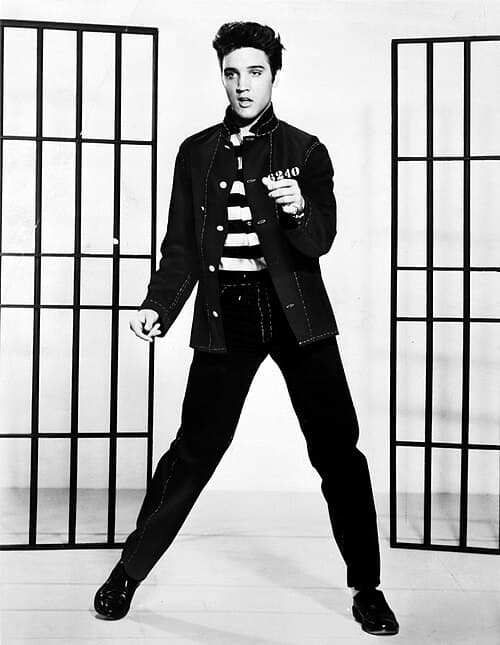
Elvis Presley

Jamie Oliver

Miley Cyrus

Will Ferrell

Cameron Diaz

Justin Bieber

Adam Levine

Leonardo DiCaprio

Katy Perry

Pink

Steven Spielberg

Nicki Minaj

Magic Johnson

Richard Branson

Dolly Parton

Shakira

Chris Rock
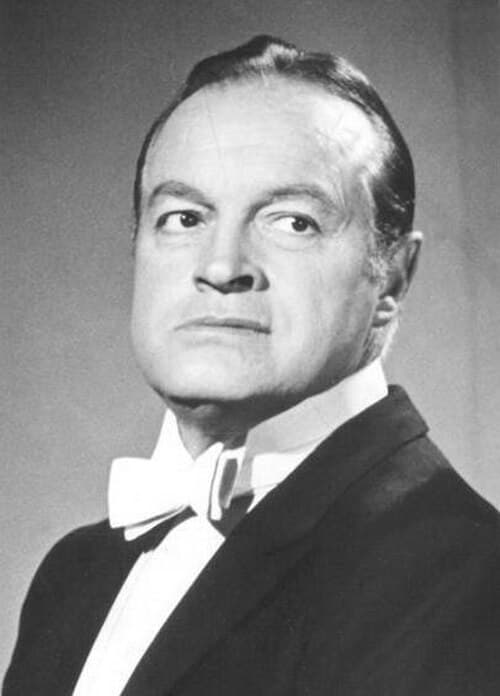
Bob Hope

Zac Efron
The ESFP profile offers a quintessential example of why the PRISM-7/HEXACO model is superior to the Big Five. While Big Five might simply label them as 'High Extraversion, Low Conscientiousness,' PRISM-7 captures the nuance.
- High Adaptability (The Missing Metric): MBTI calls this 'Perceiving,' but PRISM-7 defines it as cognitive flexibility and resilience to change. This is the ESFP's defining superpower—the ability to function effectively in chaos.
- High Openness (Aesthetic): Unlike the 'Intellectual' Openness of the INTJ, the ESFP possesses 'Aesthetic' Openness—a sensitivity to beauty, art, and sensory nuance, which PRISM-7 distinguishes.
- Emotional Resilience (Positive Frame): Instead of labeling their emotional reactivity as 'Neuroticism,' PRISM-7 acknowledges their resilience—their ability to bounce back rapidly from setbacks through social engagement and action.
- Honesty-Humility (Variable): This dimension is crucial for ESFPs. A high H-H ESFP is the authentic, fair-minded 'entertainer' who uplifts others. A low H-H ESFP can become the manipulative attention-seeker. MBTI misses this distinction entirely, grouping both the saint and the narcissist under 'ESFP' simply because they are both outgoing and spontaneous.
While MBTI is popular and can provide useful frameworks for self-reflection, the scientific community has identified significant limitations:
Poor Reliability
39-76% of people get a different type when retaking the test after just 5 weeks. Your "type" shouldn't change that often.
False Dichotomies
You're not "T or F"—personality traits exist on a spectrum. Someone scoring 51% Thinking is treated the same as someone scoring 99%.
Barnum Effect
Type descriptions are often vague enough that most people would agree with them regardless of their actual type.
The PRISM-7 Difference
- 85-92% test-retest reliability — your results stay consistent
- Dimensional scores — see exactly where you fall on each trait
- Confidence intervals — know the precision of your results
- Based on HEXACO+ — the most validated model in modern psychology
Ready for a More Accurate Assessment?
Discover your true personality profile with PRISM-7—the scientifically-validated evolution of personality assessment. Free, no signup required.
Take the Free PRISM-7 Assessment