Being unwanted, unloved, or unneeded
To be loved and appreciated
To be loved, to express feelings, to be needed and appreciated
At the heart of the Type Two personality lies a complex psychological strategy often mislabeled simply as 'kindness.' While Twos are indeed the most interpersonally oriented of all types, their behavior is driven by a specific, often unconscious cognitive distortion known in the Enneagram tradition as 'Pride.' This is not necessarily vanity about one's appearance, but rather a pride in one's own virtue and indispensability. The Two operates on a tacit belief that they possess an unlimited reservoir of resources—emotional support, time, money, or attention—and that they have no needs of their own. This 'inflation' allows them to move toward others with a posture of benevolence, effectively saying, 'I am the giver, you are the receiver; I am strong, you are needy.' This dynamic protects the Two from their deepest fear: acknowledging their own vulnerability and the possibility that they might be unlovable if they were not useful.
The internal logic of the Two is transactional, though they would be horrified to admit it. They operate on a 'covert contract' system. When a Two extends themselves—staying late to help a colleague, listening to a friend's crisis for hours, or buying thoughtful gifts—they are unconsciously opening a tab. They do not ask for payment immediately, and often they don't even know what currency they want to be paid in. However, they expect that eventually, the recipient will intuit the Two's needs and meet them with equal intensity. When this return on investment fails to materialize, the Two's benevolence can curdle into a confused resentment. They feel victimized by the 'selfishness' of others, unaware that the other person never signed the contract the Two drafted in their own mind.
Twos belong to the 'Heart Center' or 'Image Triad,' alongside Threes and Fours. While Threes project an image of success and Fours an image of uniqueness, Twos project an image of 'goodness.' This fixation on being the 'good person' can lead to a fascinating form of cognitive dissonance. A Two can be engaging in objectively manipulative behavior—guilt-tripping a child, gossiping about a friend 'out of concern,' or smothering a partner—while consciously believing they are acting out of pure love. They edit their internal narrative in real-time to maintain the self-concept of the benevolent helper, repressing any 'bad' feelings like aggression or envy.
Underlying the Two's sunny disposition is often a current of 'hysteria' (in the Jungian sense) or emotional volatility. Because they repress their negative emotions to maintain their lovable image, these emotions don't disappear—they leak out. A Two might cry over a sad commercial while suppressing rage at a spouse. When the pressure becomes too great, they may erupt in sudden, tearful outbursts that seem disproportionate to the trigger. These explosions are the psyche's desperate attempt to discharge the accumulated burden of unacknowledged needs.
Levels of Health
At this level of integration, Twos embody the PRISM-7 ideal of high Emotional Resilience combined with authentic Agreeableness. They have dismantled the transactional nature of their relationships. The 'Pride' mechanism has been replaced by genuine Humility—an accurate assessment of their own size and significance.
The average Two is the classic 'people-pleaser,' driven by a low-level anxiety that they are losing connection. The PRISM-7 dimension of 'Honesty-Humility' begins to waver here, not in the sense of criminality, but in 'Sincerity' and 'Fairness.' They begin to use flattery to secure alliances and may become subtly possessive of their friends ('I'm her best friend'). They are the 'Helicopter Parent' or the 'Office Mom/Dad,' hovering and intervening uninvited.
At the unhealthy level, the Two's defense mechanisms become pathologic. The fear of abandonment triggers a desperate, grasping control. The PRISM-7 profile shifts to high volatility and manipulative Agreeableness.
Wings
The One wing brings a layer of 'Conscientiousness' and moral rigor to the Two's interpersonal focus. This subtype is less concerned with being 'liked' and more concerned with being 'good' or 'right.' They are the 'dutiful helpers'—the nurse who follows protocol exactly, the volunteer who organizes the food pantry with military precision. The One wing cools the Two's emotional heat; they are less likely to be physically affectionate or overtly flattering, and more likely to show love through practical service and moral support.
The Three wing adds a potent dose of 'Extraversion' and ambition. This is the 'Star' Two—charismatic, charming, and highly image-conscious. While the 2w1 serves in the background, the 2w3 wants to be seen serving.
Growth & Stress Paths
When Twos move toward Type Four in growth, they embark on a journey inward. The Four represents the 'Search for Self' and 'Emotional Authenticity.' For a Two, who has spent their life focusing outward on others, this movement is revolutionary. They begin to tolerate 'melancholy'—sitting with their own sadness or emptiness without rushing to fill it with busyness.
Under extreme stress, the Two disintegrates to Type Eight. This is a shocking transformation for those who know them only as the 'sweet helper.' When the Two feels that their love has been rejected or their sacrifices taken for granted, the pressure cooker explodes. The 'repressed' needs of the Two erupt as the 'assertive' anger of the Eight.
Think You're a Type 2?
Enneagram typing can be subjective. Get a more objective, dimensional assessment with confidence intervals that show where you truly fall on each trait.
Take the Free PRISM-7 AssessmentIn the realm of intimacy, the Two is a powerhouse of affection, but also a complex puzzle of needs. Their 'Pride' fixation creates a specific relational dynamic: the 'Seducer' (in the broad sense). The Two unconsciously studies their partner to become exactly what that partner desires—the perfect listener, the perfect homemaker, the perfect cheerleader. In the early stages, being with a Two feels like being bathed in warm sunlight; you feel seen, adored, and centered.
Hospice Care / Palliative Nurse
This role represents the apex of the Two's ability to sit with suffering. Unlike emergency medicine which is about 'fixing,' palliative care is about 'presence' and anticipating comfort needs. A Two finds deep meaning in being the final source of love for a human being, utilizing their high Agreeableness and emotional durability to navigate grief.
Executive Assistant / Chief of Staff
Far from a subservient role, this position allows the Two to be the 'power behind the throne.' They excel at anticipating the executive's needs, managing stakeholders with charm, and acting as the gatekeeper. The 2w3, in particular, thrives here, enjoying the proximity to power and the feeling of being the indispensable 'right hand.'
Talent Agent / Publicist
This career leverages the Two's aggressive advocacy for others. Twos will fight harder for their clients than they will for themselves. Their natural networking skills (Extraversion) and ability to 'spin' a narrative (Adaptability) make them fierce champions who derive satisfaction from watching their 'proteges' shine.
Non-Profit Development Director
Fundraising is effectively 'sales with a soul,' which suits the Two perfectly. They are not asking for money for themselves (which they hate), but for a cause (which they love). Their ability to build personal relationships with donors and make them feel part of a 'family' drives huge success.
Customer Success Manager
In the tech world, this role is about relationship maintenance. The Two excels at sensing client frustration before it becomes churn. They act as the internal advocate for the customer, using their empathy to smooth over product failures and their persistence to ensure the client feels heard and valued.
Deep Dive: Type 2 Guides
Type 2 Learning Style
How this type learns best
Type 2 Career Guide
Best career paths and workplace advice
Type 2 Relationships
Love, dating, and connection
Type 2 Communication
How to communicate effectively
Type 2 Stress & Coping
Managing stress and building resilience
Type 2 Leadership
Leadership style and management
Type 2 Personal Growth
Development and self-improvement
Type 2 At Work
Workplace dynamics and team roles
Type 2 Compatibility
Type compatibility and pairings

Mother Teresa
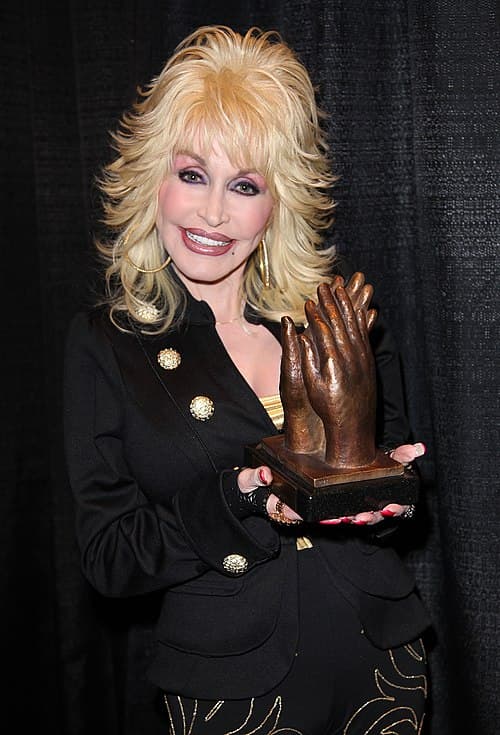
Dolly Parton
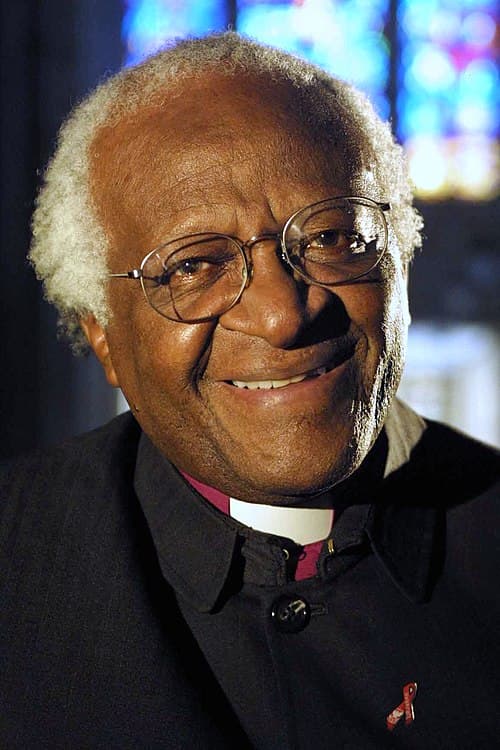
Desmond Tutu
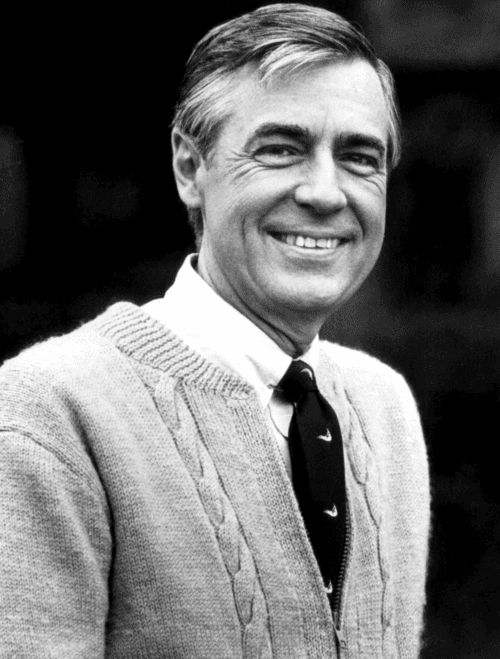
Mr. Rogers

Pope Francis
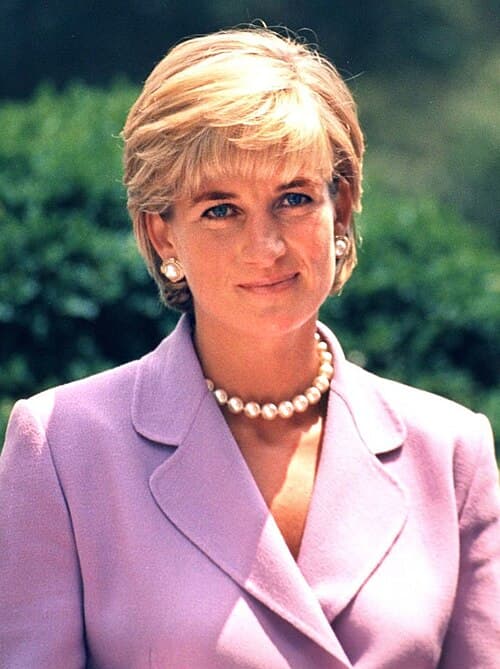
Princess Diana

Nancy Reagan
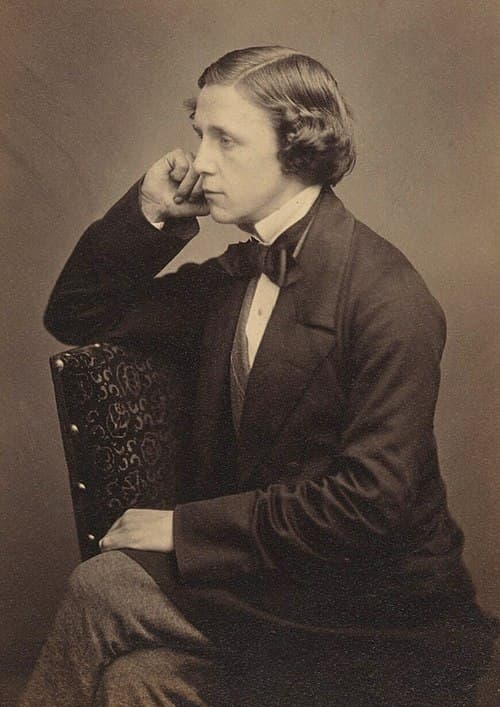
Lewis Carroll

Barbara Bush

Bishop Fulton Sheen

Jessica Alba
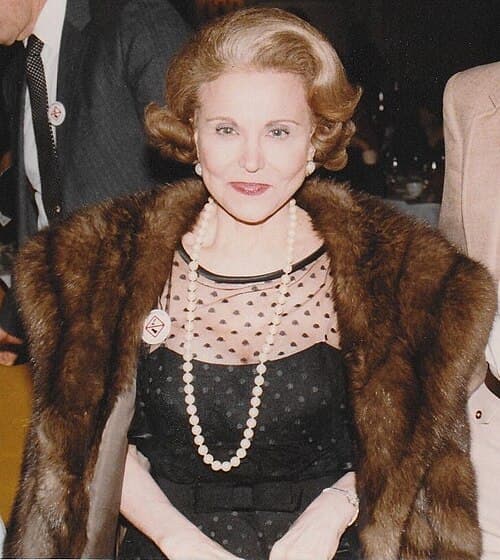
Ann Landers
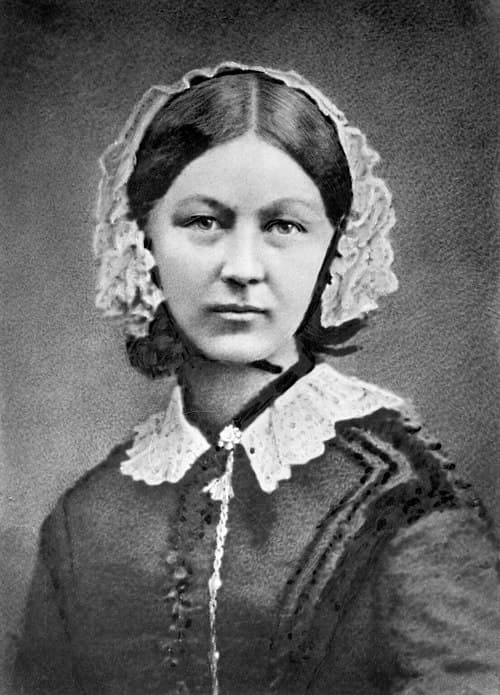
Florence Nightingale
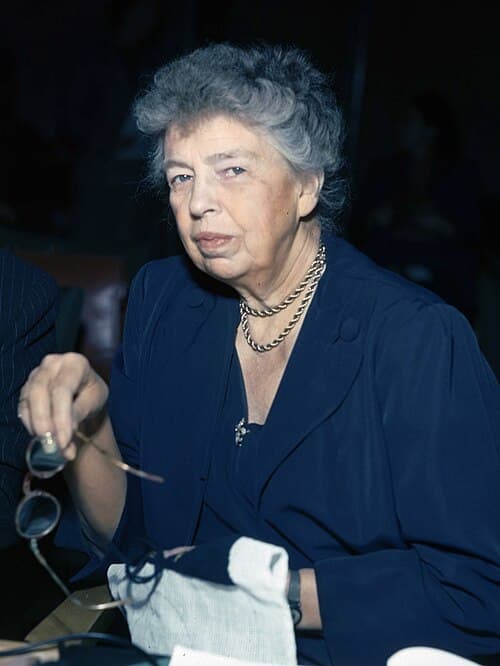
Eleanor Roosevelt
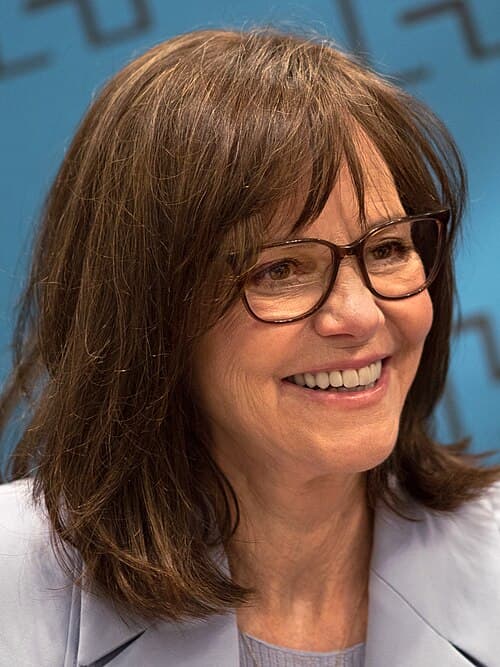
Sally Field
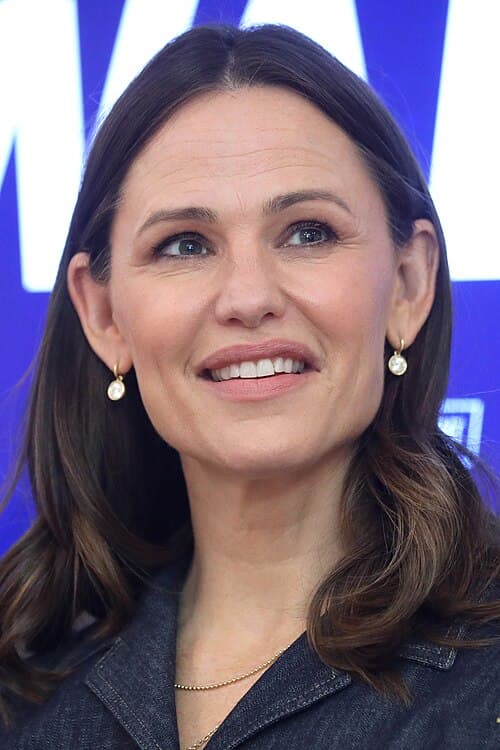
Jennifer Garner
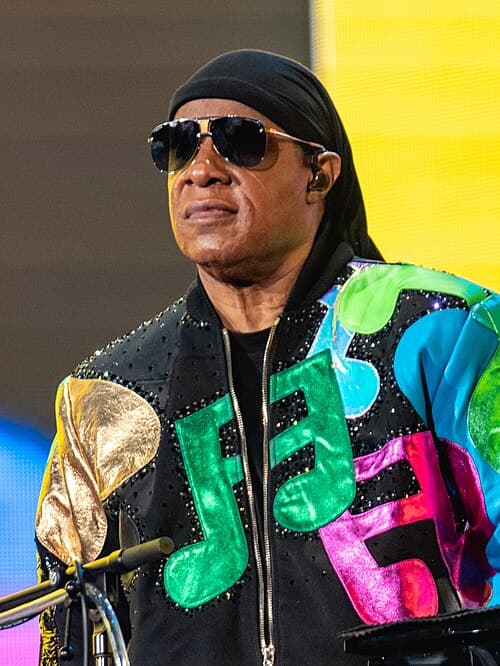
Stevie Wonder
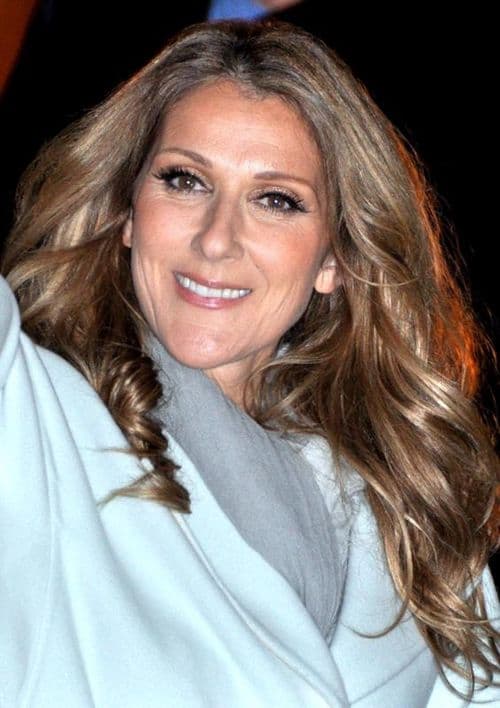
Celine Dion

John Denver
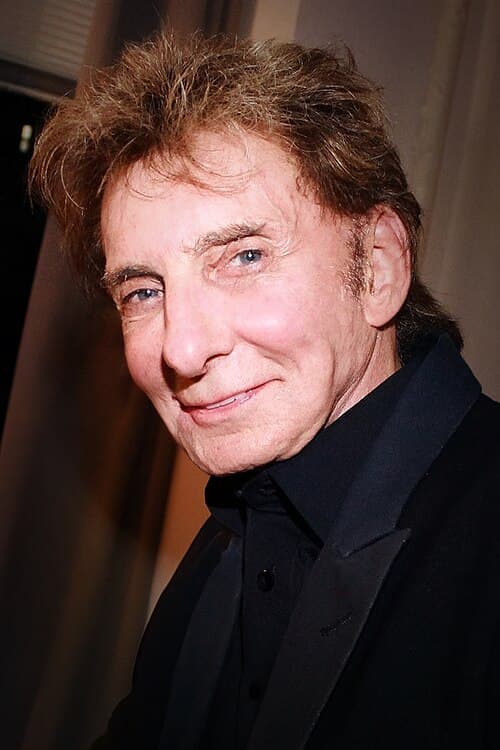
Barry Manilow
While the Enneagram focuses on the motivation of 'Pride,' PRISM-7 (HEXACO+) captures the trait architecture that supports it. The Type Two profile is dominated by High Extraversion (specifically the 'Sociability' and 'Expressiveness' facets) and High Agreeableness (specifically 'Gentleness' and 'Flexibility').
However, the critical nuance PRISM-7 adds is the Honesty-Humility dimension. This is where the 'Health Levels' of the Enneagram map onto trait theory. A healthy Two scores high in Honesty-Humility (genuine altruism, lack of entitlement). An average/unhealthy Two often shows a 'split' score: they may be high in 'Fairness' (ideologically) but low in 'Sincerity' (using flattery/manipulation) and low in 'Greed-Avoidance' (feeling entitled to others' affection). This captures the 'Dark Side' of the Helper—the manipulative 'Give-to-Get' dynamic—that simple 'Feeling' metrics in MBTI miss completely. Additionally, Emotional Resilience is a key variable; while Twos project strength, they often score lower on 'Anxiety' (high anxiety regarding relationships) and 'Dependence' (need for emotional support), revealing the fragility behind the helper's mask.
You may find strong alignment with these PRISM-7 archetypes:
While the Enneagram offers valuable frameworks for self-reflection and growth, the scientific community has identified significant limitations:
Limited Validation
Unlike the Big Five or HEXACO, the Enneagram has limited peer-reviewed empirical validation in academic psychology.
Subjective Typing
Determining your type often relies on self-reflection rather than objective measurement, leading to inconsistent results.
No Confidence Intervals
Results are presented as definitive types without acknowledging measurement uncertainty or borderline cases.
The PRISM-7 Difference
- Objective measurement — standardized questions with validated scoring
- Dimensional scores — see exactly where you fall on each trait
- Confidence intervals — know the precision of your results
- Based on HEXACO+ — the most validated model in modern psychology
Ready for Objective Personality Insights?
Discover your true personality profile with PRISM-7—the scientifically-validated evolution of personality assessment. Free, no signup required.
Take the Free PRISM-7 Assessment